Cancer Research
Cancer is a term used to define a group of diseases in which abnormal cells divide without control, are able to invade neighboring tissues/organs and metastasize. Cancer has been characterized by six hallmarks; self sufficiency in proliferative growth signals, insensitivity to growth inhibitors, evasion of apoptosis, limitless replicative potential, ability to develop blood vessels (angiogenesis), and tissue invasion and metastasis.
Cancer Research Products Areas
Products for Cancer Research - Page 9
- Cat.No. Product Name Information/Activity
-
BCC2407
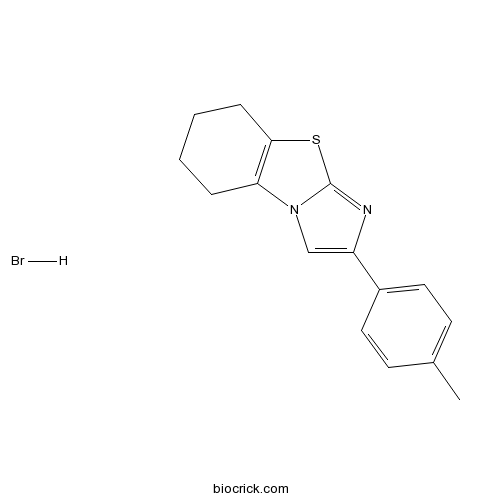
Cyclic Pifithrin-α hydrobromide
Pifithrin-β hydrobromide (PFT β hydrobromide) is a potent p53 inhibitor with an IC50 of 23 μM.
-
BCC2412
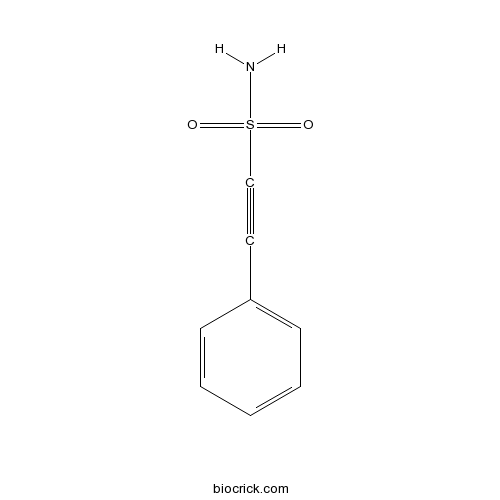
Pifithrin-μ
Pifithrin-μ is an inhibitor of p53 and HSP70, with antitumor and neuroprotective activity.
-
BCC2408
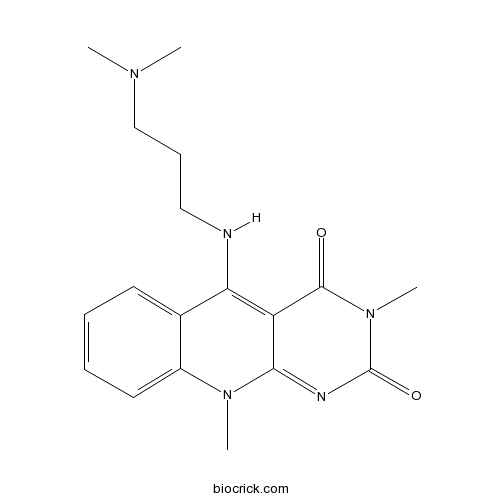
HLI 373
Hdm2 inhibitor; activates p53-dependent transcription
-
BCC2410
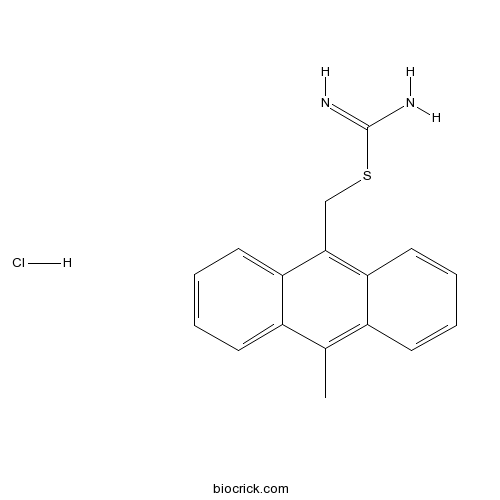
NSC 146109 hydrochloride
NSC 146109 hydrochloride is a small-molecule p53 activator that target MDMX and could be of value in treating breast cancer. NSC 146109 hydrochloride is a pseudourea derivative, promotes breast cancer cells to undergo apoptosis through activating p53 and inducing expression of proapoptotic genes[1].
-
BCC2242
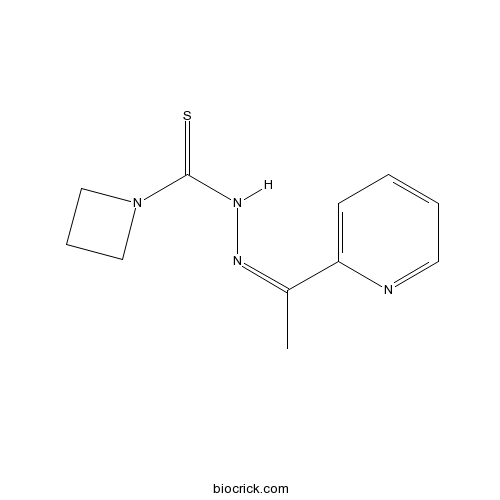
NSC 319726
NSC319726 (ZMC1) is a mutant p53R175 reactivator; inhibits growth of fibroblasts expressing the p53R175 mutation (IC50 = 8 nM); shows no inhibition for p53 wild-type cells.
-
BCC2255
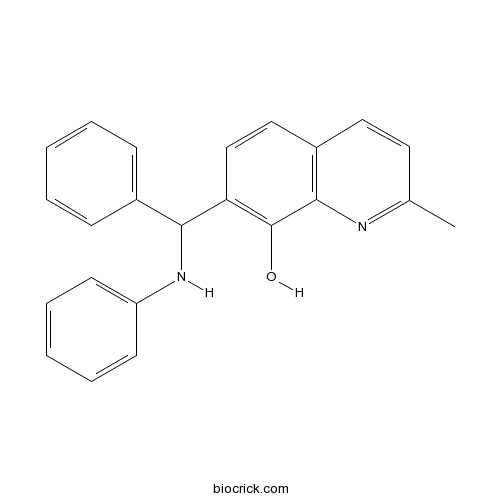
NSC 66811
MDM2 inhibitor. Disrupts MDM2-p53 interaction
-
BCC2238
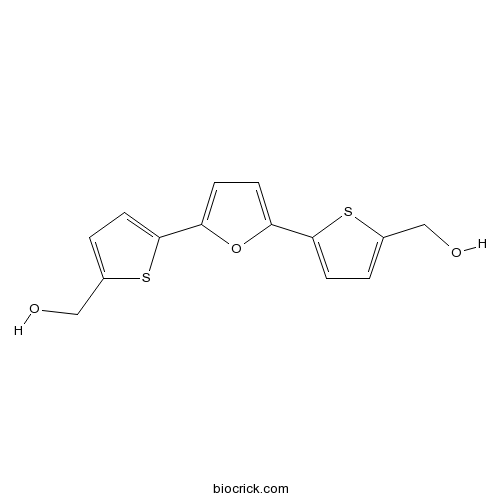
RITA (NSC 652287)
RITA is an inhibitor of p53-HDM-2 interaction, binds to p53dN, with a Kd of 1.5 nM, and also induces DNA-DNA cross-links.
-
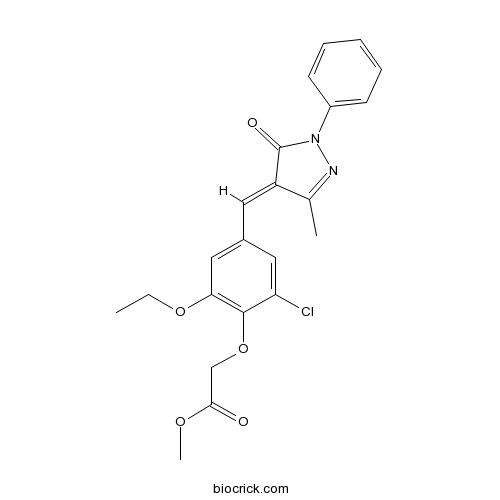
BCC2416
SJ 172550
SJ-172550 is a small molecule inhibitor of MDMX; competes for the wild type p53 peptide binding to MDMX with an EC50 of 5 μM.
-
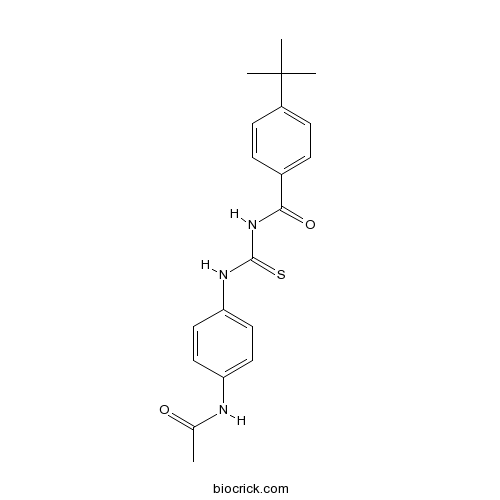
BCC2239
Tenovin-1
Tenovin-1 is an inhibitor of sirtuin 1 and sirtuin 2, an activator of p53 and may have potential in the management of cancer.
-
BCC2417
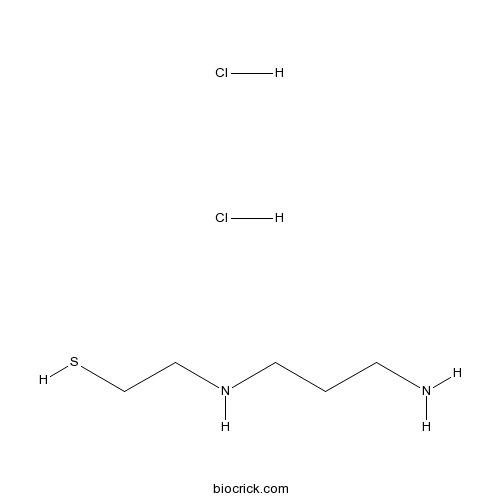
WR 1065
WR-1065 dihydrochloride can protect normal tissues from the toxic effects of certain cancer drugs and activate p53 through a JNK-dependent signaling pathway.