
Natural Products from Drynaria roosii
Natural Products Isolated from Drynaria roosii
BioCrick provides high-purity natural products and bioactive compounds isolated and purified from natural sources for scientific research.
- Natural product compounds selected from diverse chemical and biological sources.
- Broad structural diversity and coverage of biological activities.
- Product activity information can be supported by published literature, patents and research reports.
- Natural products can be selected according to source, target, activity and disease research interests.
- Compounds should be stored according to the product specifications after receipt.
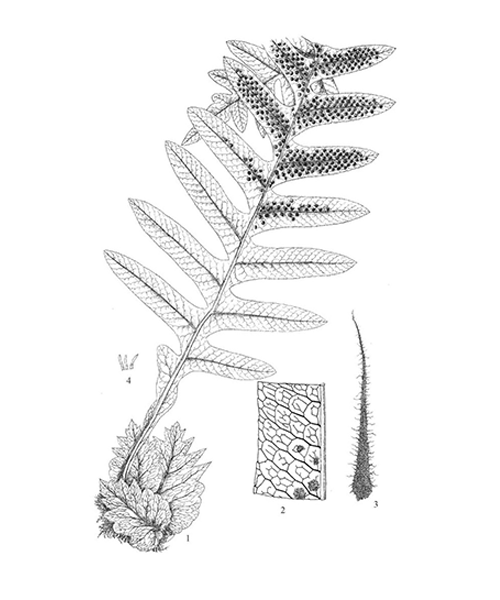
Natural Products from Drynaria roosii
8 natural product s associated with Drynaria roosii
| Catalog No. | Product Name | CAS Number | COA |
|---|---|---|---|
| BCN5549 |
Astragalin
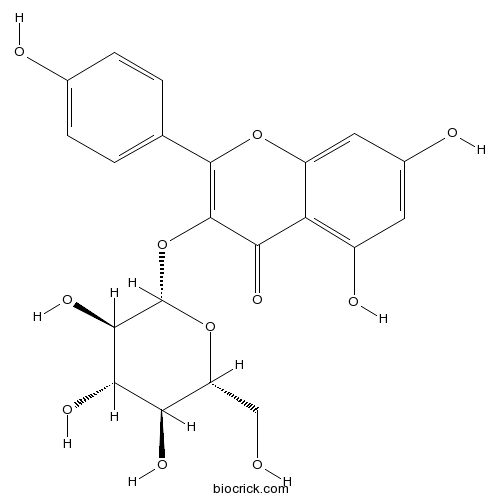
|
480-10-4 | COA |
| BCN5979 |
Caffeic acid
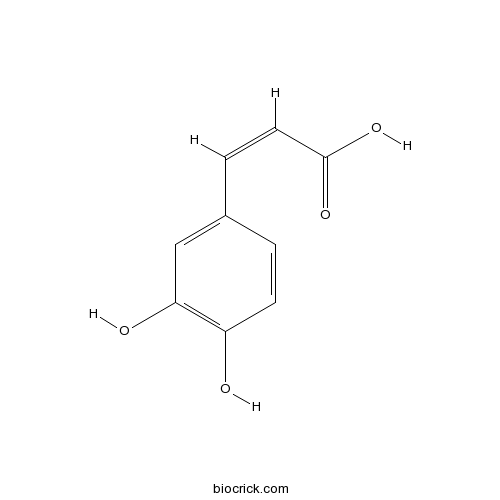
|
331-39-5 | COA |
| BCN5597 |
Epicatechin
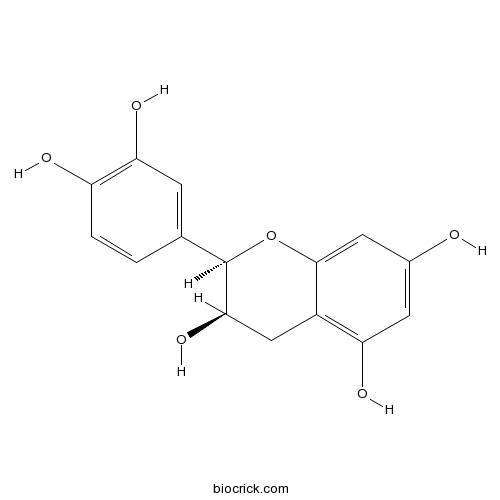
|
490-46-0 | COA |
| BCN1209 |
Eriodictyol
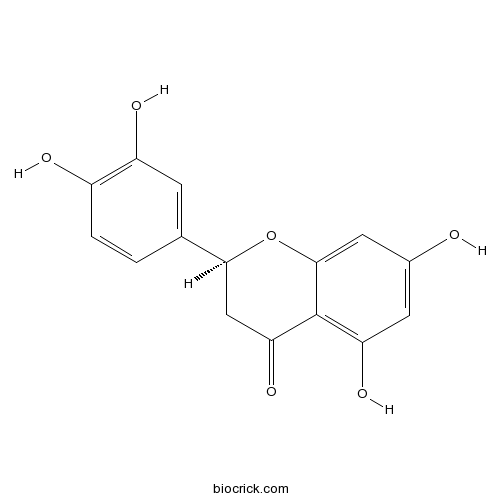
|
552-58-9 | COA |
| BCN5653 |
Kaempferol
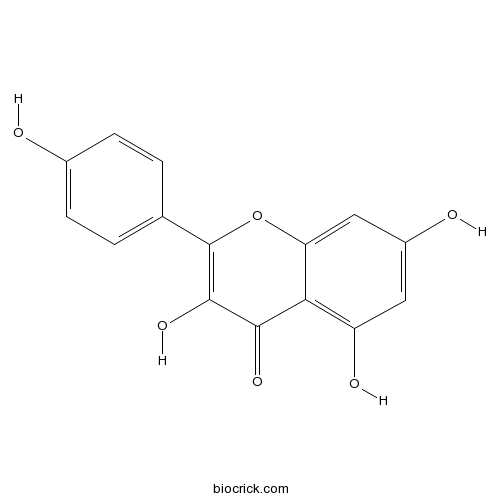
|
520-18-3 | COA |
| BCN2985 |
Kurarinone
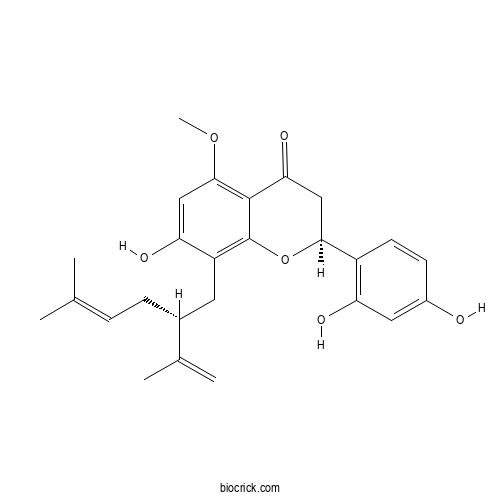
|
34981-26-5 | COA |
| BCN4530 |
Leachianone A
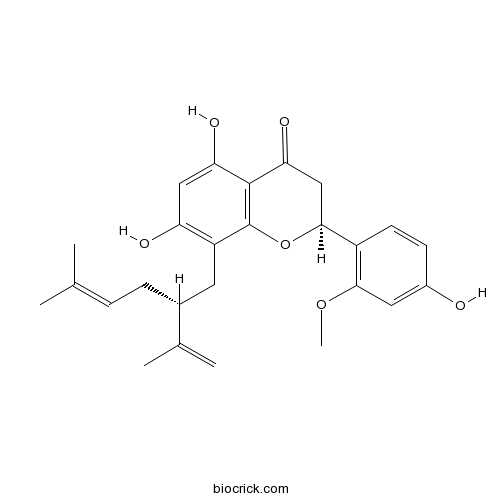
|
97938-31-3 | COA |
| BCN3271 |
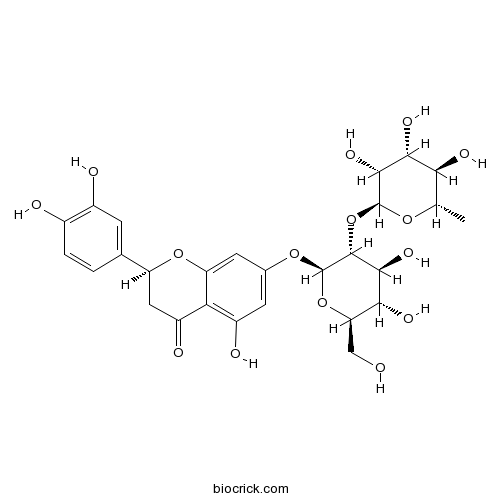
Neoeriocitrin
|
13241-32-2 | COA |
References
Full-Length Transcriptome Sequencing and Modular Organization Analysis of the Naringin/Neoeriocitrin-Related Gene Expression Pattern in Drynaria roosii.[Pubmed: 29660070]
Drynaria roosii (Nakaike) is a traditional Chinese medicinal fern, known as 'GuSuiBu'. The effective components, naringin and neoeriocitrin, share a highly similar chemical structure and medicinal function. Our HPLC-tandem mass spectrometry (MS/MS) results showed that the accumulation of naringin/neoeriocitrin depended on specific tissues or ages. However, little was known about the expression patterns of naringin/neoeriocitrin-related genes involved in their regulatory pathways. Due to a lack of basic genetic information, we applied a combination of single molecule real-time (SMRT) sequencing and second-generation sequencing (SGS) to generate the complete and full-length transcriptome of D. roosii. According to the SGS data, the differentially expressed gene (DEG)-based heat map analysis revealed that naringin/neoeriocitrin-related gene expression exhibited obvious tissue- and time-specific transcriptomic differences. Using the systems biology method of modular organization analysis, we clustered 16,472 DEGs into 17 gene modules and studied the relationships between modules and tissue/time point samples, as well as modules and naringin/neoeriocitrin contents. We found that naringin/neoeriocitrin-related DEGs distributed in nine distinct modules, and DEGs in these modules showed significantly different patterns of transcript abundance to be linked to specific tissues or ages. Moreover, weighted gene co-expression network analysis (WGCNA) results further identified that PAL, 4CL and C4H, and C3H and HCT acted as the major hub genes involved in naringin and neoeriocitrin synthesis, respectively, and exhibited high co-expression with MYB- and basic helix-leucine-helix (bHLH)-regulated genes. In this work, modular organization and co-expression networks elucidated the tissue and time specificity of the gene expression pattern, as well as hub genes associated with naringin/neoeriocitrin synthesis in D. roosii. Simultaneously, the comprehensive transcriptome data set provided important genetic information for further research on D. roosii.