Respiratory Disease Research
The respiratory system consists of the lungs, airways, diaphragm, trachea (windpipe) and pharynx (throat) and its primary function is the exchange of oxygen and carbon dioxide- breathing in and out. Between 6 and 10 liters of air are brought in and out of the lungs and 0.3 liters of oxygen are transferred from the alveoli to the blood per minute.
Respiratory Disease Research Products Areas
Products for Respiratory Disease Research - Page 10
- Cat.No. Product Name Information/Activity
-
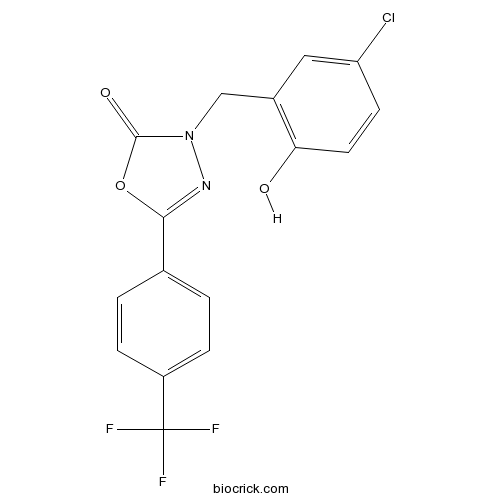
BCC7448
BMS 191011
BMS-191011 (BMS-A) is an opener of the large-conductance, Ca2++-activated potassium (maxi-K) channel, effective in stroke models.
-
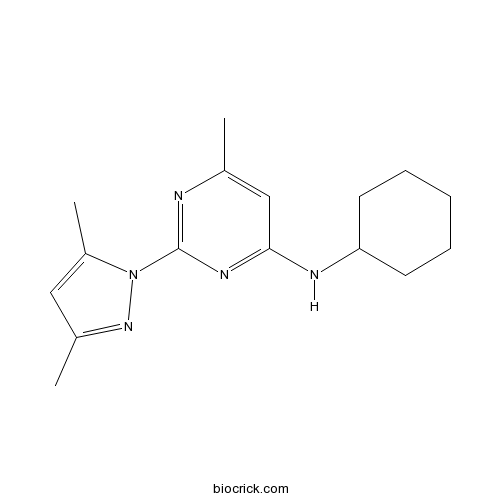
BCC7526
CyPPA
73029-73-9
-
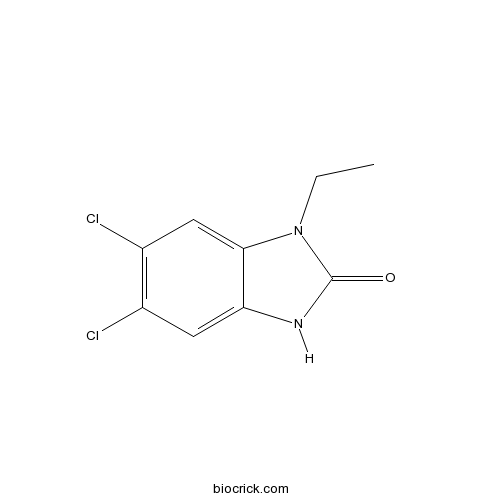
BCC7060
DCEBIO
DCEBIO, a derivative of 1-EBIO, is an extremely potent activator of Cl- secretion in T84 colonic cells. DCEBIO stimulates Cl- secretion via the activation of hIK1 K+ channels and the activation of an apical membrane Cl- conductance.
-
BCC6904
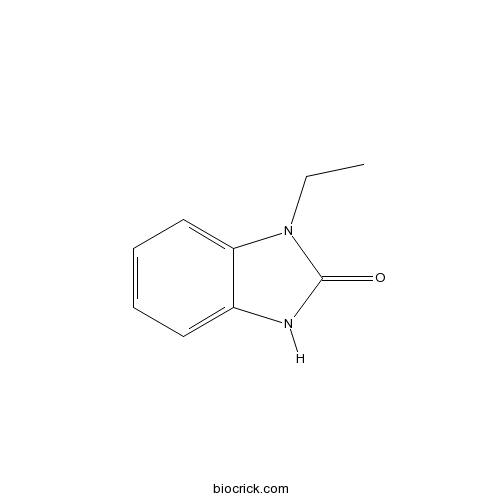
1-EBIO
10045-45-1
-
BCC7914
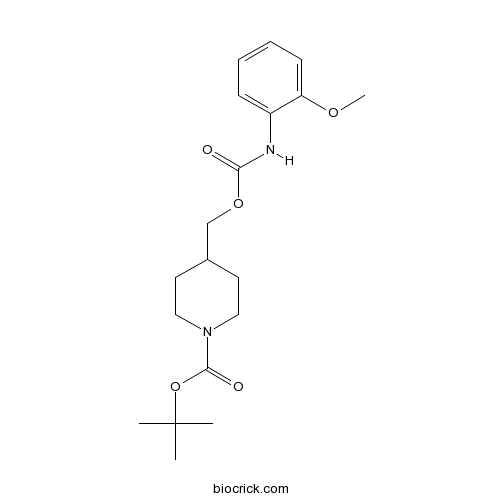
GW 542573X
660846-41-3
-
BCC7779
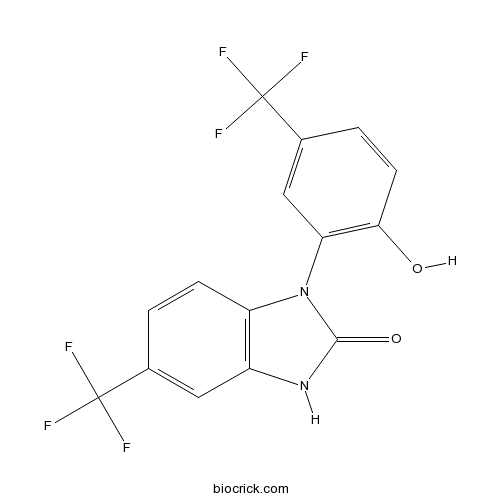
NS 1619
NS-1619 is a selective large conductance Ca2+-activated K+-channel activator.
-
BCC1809
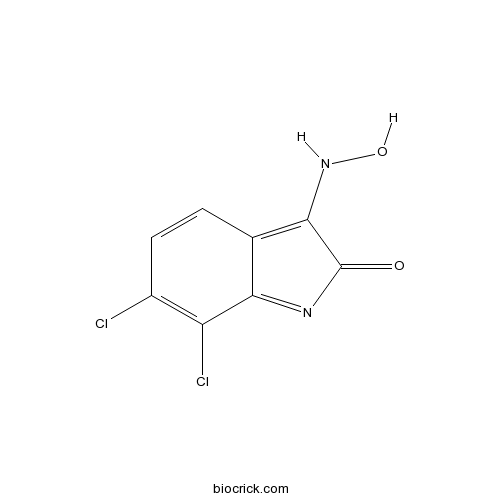
NS309
NS309 is a positive modulator of small- and intermediate- conductance Ca2+-activated K+ channels (KCa2 and KCa3.1 channels); increases Ca2+ sensitivity. Displays no activity at BK channels.
-
BCC7743
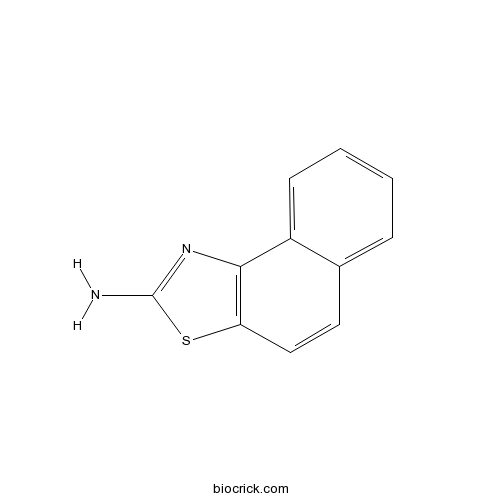
SKA 31
SKA-31 is a potent potassium channel activator with EC50s of 260 nM, 1.9 μM, 2.9 μM, and 2.9 μM for KCa3.1, KCa2.2, KCa2.1 and KCa2.3, respectively. SKA-31 potentiates endothelium-derived hyperpolarizing factor response and lowers blood pressure.
-
BCC7141
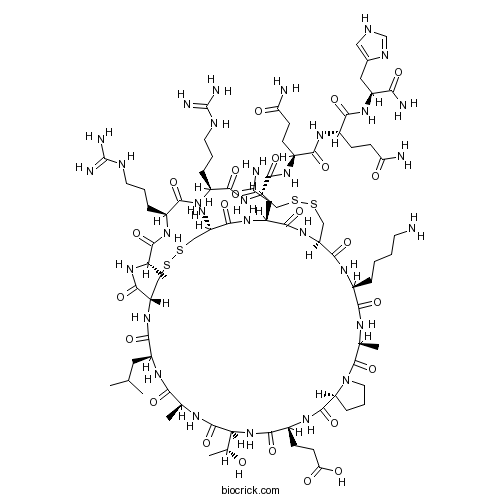
Apamin
Apamin (Apamine) is an 18 amino acid peptide neurotoxin found in apitoxin (bee venom), is known as a specifically selective blocker of Ca2+-activated K+ (SK) channels and exhibits anti-inflammatory and anti-fibrotic activity.
-
BCC6933
Charybdotoxin
95751-30-7