Stroke Research
Stroke is classified as both a neurological and a cardiovascular disease, as it is a disruption in blood supply to the brain which causes the neurological abnormalities. There are two types of stroke; ischemic and hemorrhagic.
Stroke Research Products Targets
- Adenosine A2B Receptor (7)
- Adenosine A2A Receptor (11)
- Caspase (9)
- Voltage-gated Sodium (NaV) Channel (30)
- Voltage-gated Potassium (KV) Channel (38)
- Voltage-gated Calcium Channel (CaV) (38)
- Lipoxygenase (8)
- Others (20)
- Cyclooxygenase (24)
- Epithelial Sodium Channel (3)
- STIM-Orai Channel (4)
- Ryanodine Receptor (6)
- Natriuretic Peptide Receptor (4)
- 5-HT7 Receptor (11)
- 5-HT6 Receptor (14)
- 5-ht5 Receptor (2)
- 5-HT4 Receptor (17)
- Glutamate (Metabotropic) Group III Receptor (26)
- Glutamate (Metabotropic) Group II Receptor (33)
- Glutamate (Metabotropic) Group I Receptor (54)
- AMPA Receptor (45)
- GABAA-ρ Receptor (8)
- GABAA Receptor (66)
- NMDA Receptor (87)
- Kainate Receptor (22)
- IP3 Receptor (2)
- Glutamate Transporter (18)
- Adenosine A3 Receptor (8)
- Adenosine A1 Receptor (12)
- Acid-Sensing Ion Channel (3)
- Calcium-Activated Potassium (KCa) Channel (19)
- Calcium-Sensitive Protease Modulator (12)
- Inward Rectifier Potassium (Kir) Channel (21)
- NO donors and precursors (9)
- nNOS (5)
- iNOS (11)
- eNOS (1)
- Prostanoid Receptor (24)
Products for Stroke Research - Page 41
- Cat.No. Product Name Information/Activity
-
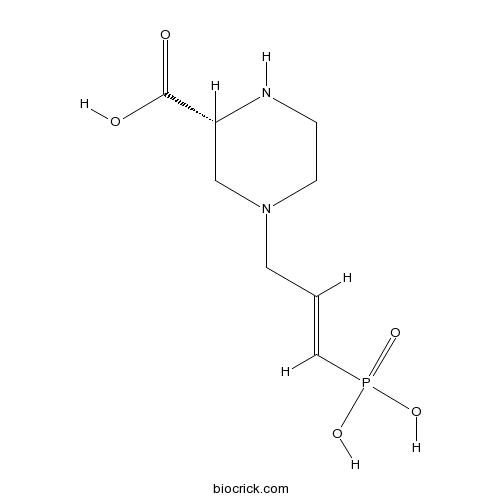
BCC6999
D-CPP-ene
117414-74-1
-
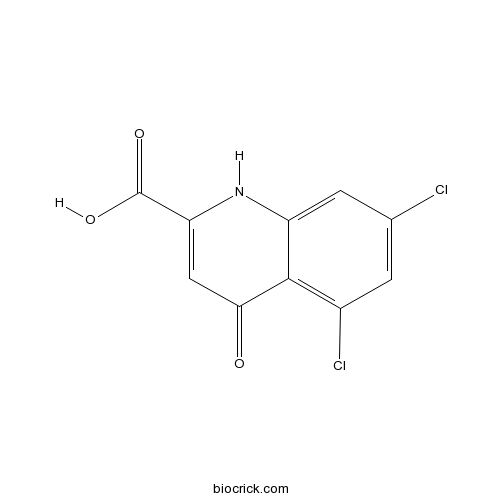
BCC6592
5,7-Dichlorokynurenic acid
131123-76-7
-
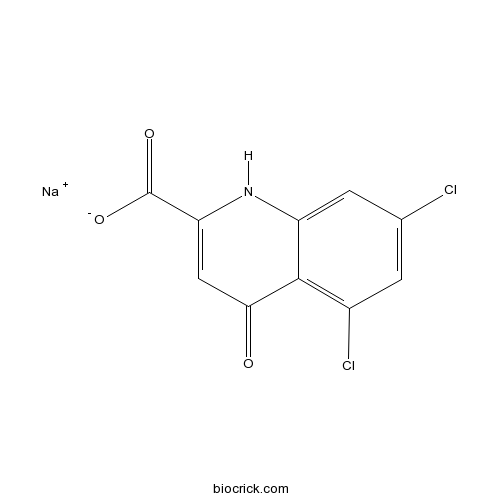
BCC7758
5,7-Dichlorokynurenic acid sodium salt
1184986-70-6
-
BCC6619
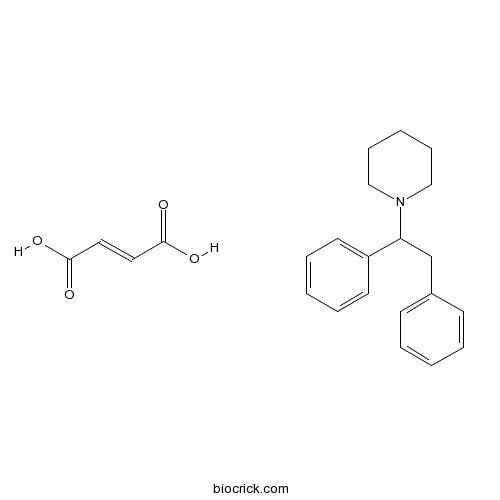
(±)-1-(1,2-Diphenylethyl)piperidine maleate
207461-99-2
-
BCC6205
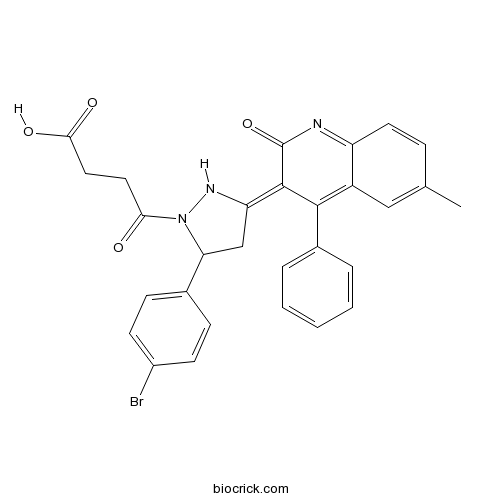
DQP 1105
380560-89-4
-
BCC7280
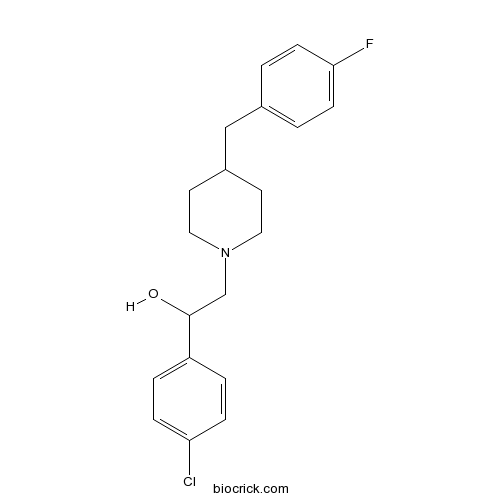
Eliprodil
Eliprodil(SL-820715) is a non-competitive NR2B-NMDA receptor antagonist(IC50=1 uM), less potent for NR2A- and NR2C-containing receptors(IC50> 100 uM).
-
BCC4904
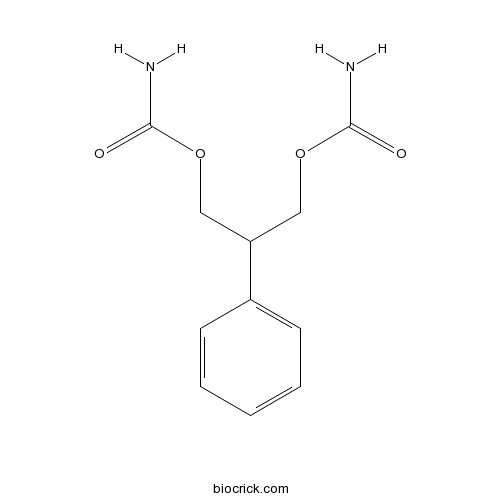
Felbamate
Felbamate (W-554) is a potent nonsedative anticonvulsant whose clinical effect may be related to the inhibition of N-methyl-D-aspartate (NMDA).
-
BCC7340
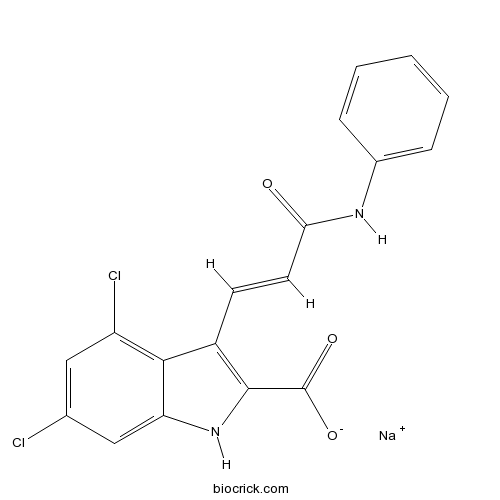
Gavestinel
153436-38-5
-
BCC6589
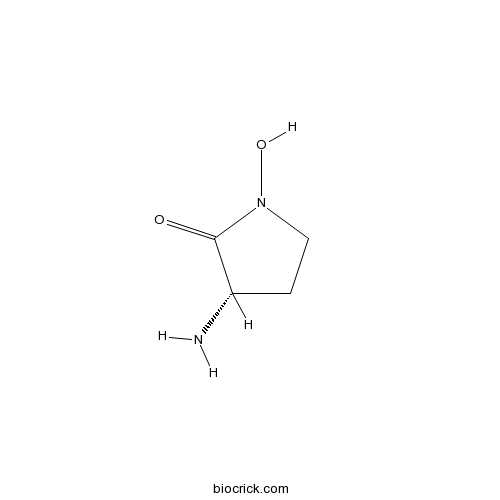
(S)-(-)-HA-966
111821-58-0
-
BCC5946
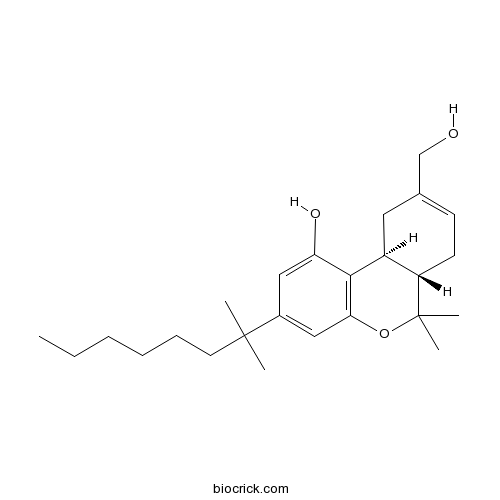
HU 211
Dexanabinol (HU-211) is an artificially synthesized cannabinoid derivative and lacks cannabimimetic effects. Dexanabinol exhibits not only the antioxidant and neuroprotective activities in brain but also anti-inflammatory activity by inhibiting NF-κB and decreasing cytokines such as TNFα and interleukin-6, which could ensure the integrity of BBB and reduce cell apoptosis and death. Dexanabinol is widely used in head injury or stroke treatment and has been shown to be safe in animals and humans.