Stroke Research
Stroke is classified as both a neurological and a cardiovascular disease, as it is a disruption in blood supply to the brain which causes the neurological abnormalities. There are two types of stroke; ischemic and hemorrhagic.
Stroke Research Products Targets
- Adenosine A2B Receptor (7)
- Adenosine A2A Receptor (11)
- Caspase (9)
- Voltage-gated Sodium (NaV) Channel (30)
- Voltage-gated Potassium (KV) Channel (38)
- Voltage-gated Calcium Channel (CaV) (38)
- Lipoxygenase (8)
- Others (20)
- Cyclooxygenase (24)
- Epithelial Sodium Channel (3)
- STIM-Orai Channel (4)
- Ryanodine Receptor (6)
- Natriuretic Peptide Receptor (4)
- 5-HT7 Receptor (11)
- 5-HT6 Receptor (14)
- 5-ht5 Receptor (2)
- 5-HT4 Receptor (17)
- Glutamate (Metabotropic) Group III Receptor (26)
- Glutamate (Metabotropic) Group II Receptor (33)
- Glutamate (Metabotropic) Group I Receptor (54)
- AMPA Receptor (45)
- GABAA-ρ Receptor (8)
- GABAA Receptor (66)
- NMDA Receptor (87)
- Kainate Receptor (22)
- IP3 Receptor (2)
- Glutamate Transporter (18)
- Adenosine A3 Receptor (8)
- Adenosine A1 Receptor (12)
- Acid-Sensing Ion Channel (3)
- Calcium-Activated Potassium (KCa) Channel (19)
- Calcium-Sensitive Protease Modulator (12)
- Inward Rectifier Potassium (Kir) Channel (21)
- NO donors and precursors (9)
- nNOS (5)
- iNOS (11)
- eNOS (1)
- Prostanoid Receptor (24)
Products for Stroke Research - Page 19
- Cat.No. Product Name Information/Activity
-
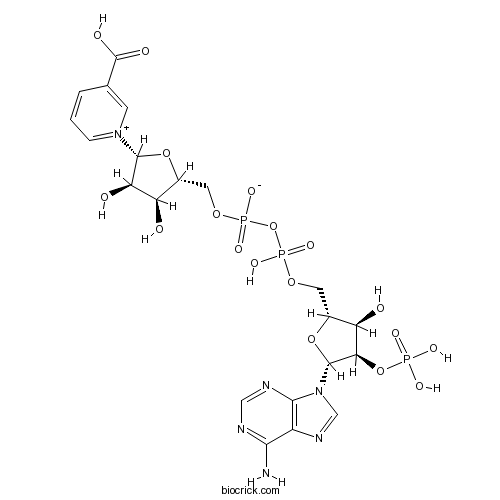
BCC7808
NAADP tetrasodium salt
5502-96-5
-
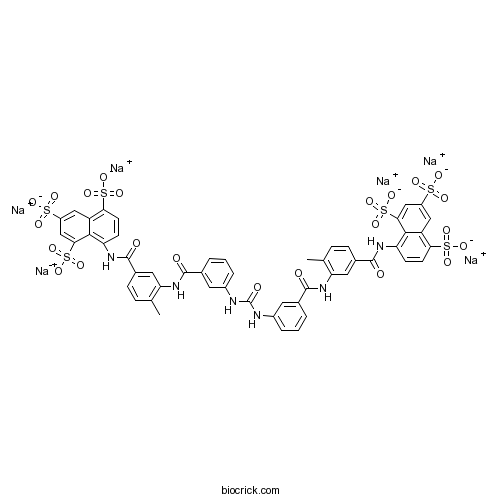
BCC7079
Suramin hexasodium salt
Suramin sodium salt (Suramin hexasodium salt) is a reversible and competitive protein-tyrosine phosphatases (PTPases) inhibitor. Suramin sodium salt is a potent inhibitor of sirtuins: SirT1 (IC50=297 nM), SirT2 (IC50=1.15 μM), and SirT5 (IC50=22 μM). Suramin sodium salt is a competitive inhibitor of reverse transcriptase (DNA topoisomerase II: IC50=5 μM). Suramin sodium salt is an antitrypanosomal, anti-neoplastic and anti-angiogenic agent.
-
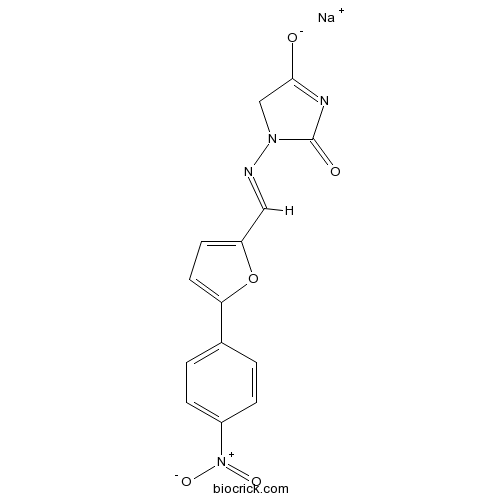
BCC6673
Dantrolene, sodium salt
14663-23-1
-
BCC7067
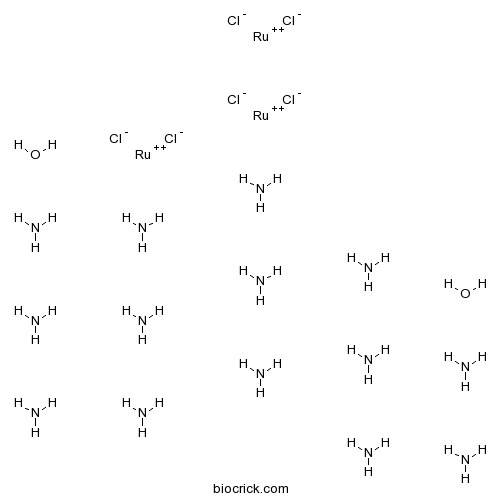
Ruthenium Red
11103-72-3
-
BCC5742
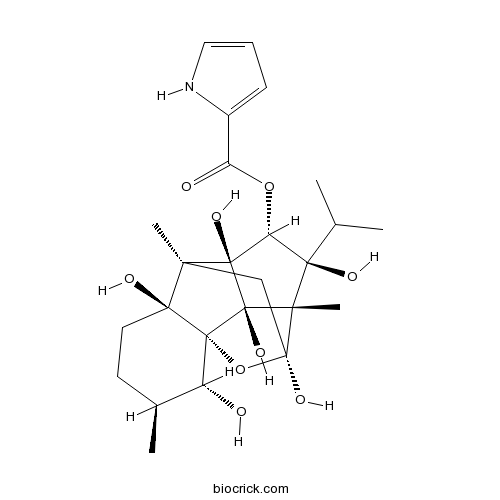
Ryanodine
Ryanodine is a cell permeant ryanodine receptor modulator. Ryanodine can either stimulate or inhibit Ryanodine-mediated Ca2+ release depending on its concentrations. Poisonous diterpenoid found in Ryania speciosa.
-
BCC6644
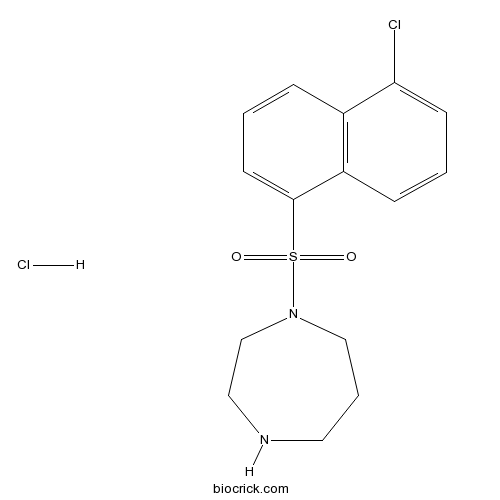
ML 9 hydrochloride
ML-9 is a selective and potent inhibitor of Akt kinase, inhibits myosin light-chain kinase (MLCK) and stromal interaction molecule 1 (STIM1) activity. ML-9 inhibits inhibits MLCK, PKA and PKC activity with Ki values of 4, 32 and 54 μM, respectively. ML-9 induces autophagy by stimulating autophagosome formation and inhibiting their degradation.
-
BCC6953
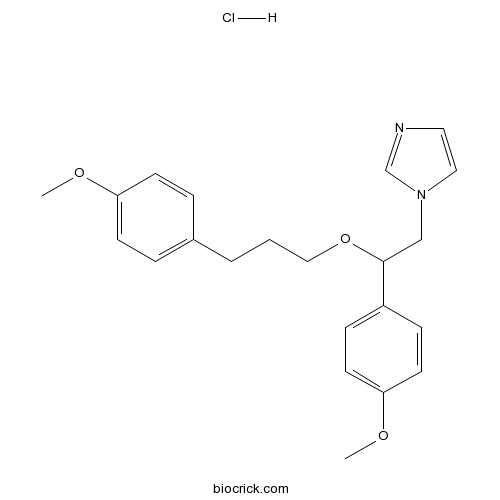
SKF 96365 hydrochloride
SKF-96365 hydrochloride is a non-selective TRP Channel blocker.
-
BCC7817
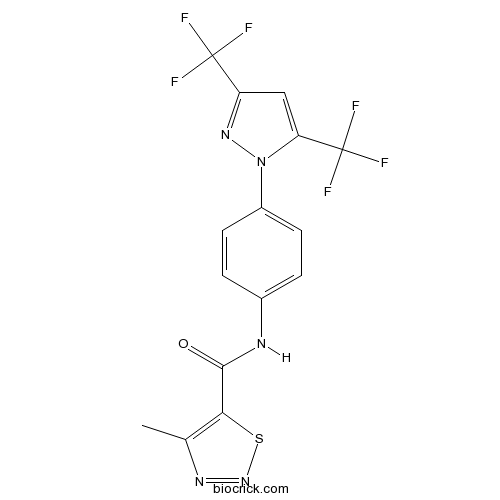
YM 58483
YM-58483 is the first selective and potent inhibitor of CRAC channels and subsequent Ca2+ signals.
-
BCC3918
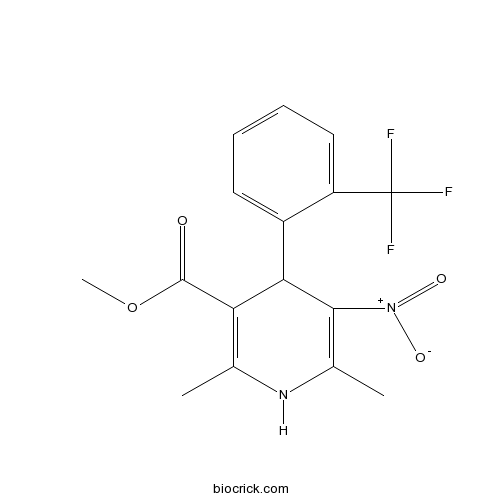
(±)-Bay K 8644
Ca<sup>2+</sup> channel activator (L-type); aids generation of iPSCs from MEFs
-
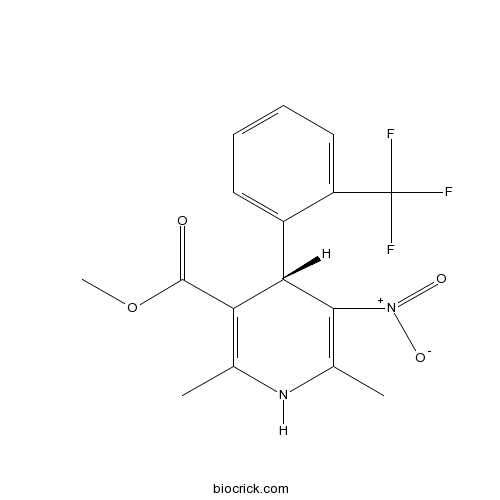
BCC7108
(S)-(-)-Bay K 8644
(S)-(-)-Bay-K-8644 is an agonist of L-type Ca2+ channel. (S)-(-)-Bay-K-8644 activates Ba2+ currents (IBa) (EC50=32 nM).