Neuroscience Research
Neuroscience is the study of the nervous system - one of the major mammalian systems responsible for sustaining life. The central nervous system (CNS) and peripheral nervous system (PNS) work in concert to coordinate basic functions such as moving and breathing, as well as 'higher order' functions including thought, speech and emotion.
Neuroscience Research Products Areas
- Stress and Anxiety Research (392)
- Nociception (957)
- Neurotransmission (892)
- Neuropeptides (43)
- Neural Development (795)
- Memory, Learning and Cognition (746)
- Blood-Brain Barrier (119)
- Stroke Research (665)
- Sleep Research (267)
- Schizophrenia Research (709)
- Parkinson's Disease Research (752)
- Huntington's Disease Research (465)
- Epilepsy Research (560)
- Depression Research (631)
- Alzheimer's Disease Research (399)
- Addiction Research (509)
- Multiple Sclerosis (419)
Products for Neuroscience Research - Page 28
- Cat.No. Product Name Information/Activity
-
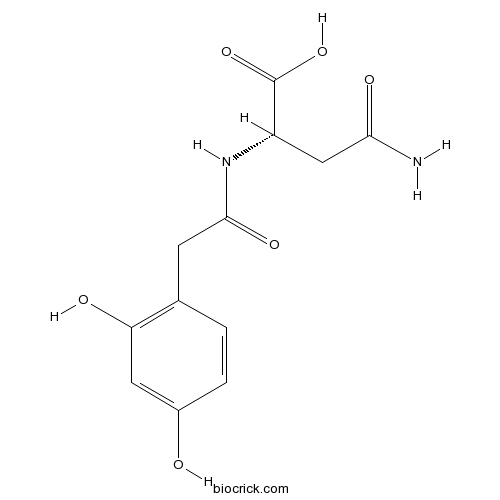
BCC6585
2,4-Dihydroxyphenylacetyl-L-asparagine
111872-98-1
-
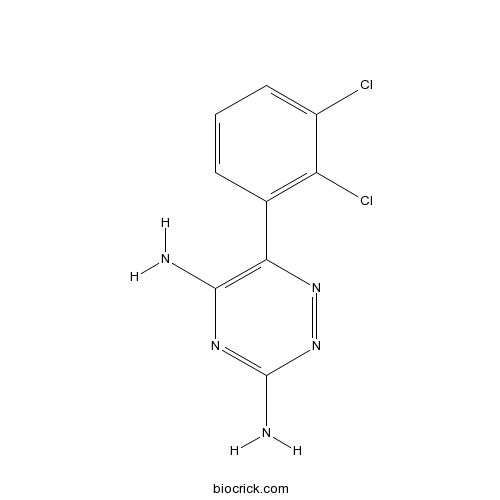
BCC5051
Lamotrigine
Lamotrigine(BW430C) is a novel anticonvulsant drug for inhibition of 5-HT and sodium channel Target: Sodium Channel Lamotrigine stabilises presynaptic neuronal membranes by blockade of voltage-dependent sodium channels, thus preventing the release of excitatory neurotransmitters, particularly glutamate and aspartate [1].
-
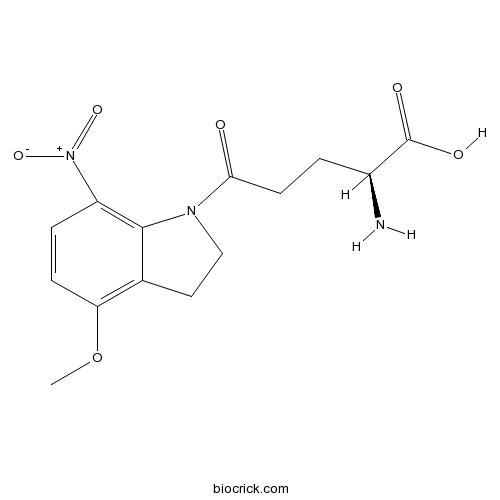
BCC7086
MNI-caged-L-glutamate
295325-62-1
-
BCC7453
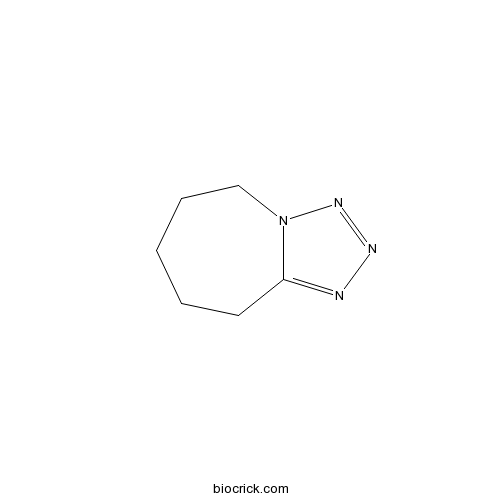
Pentylenetetrazole
54-95-5
-
BCC6731
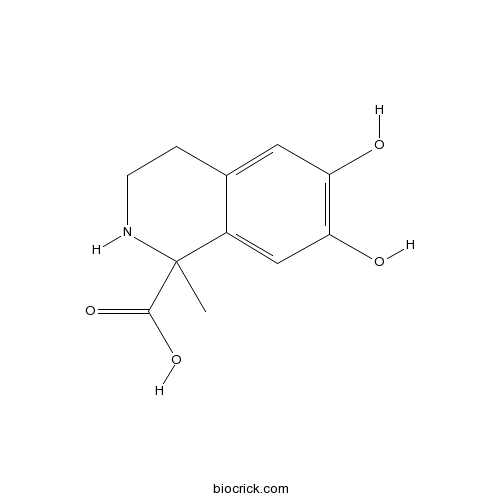
Salsolinol-1-carboxylic acid
57256-34-5
-
BCC6632
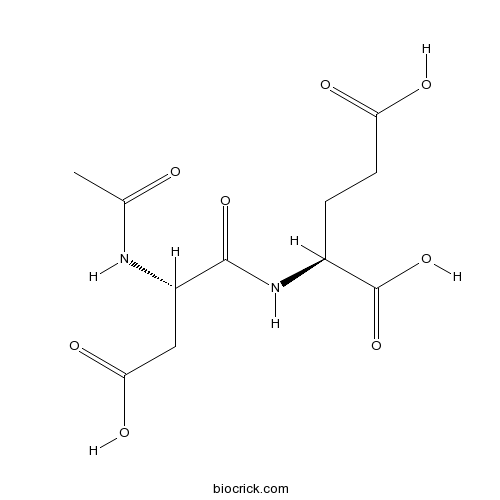
Spaglumic acid
Spaglumic Acid is a neuropeptide found in millimolar concentrations in brain.
-
BCN2571
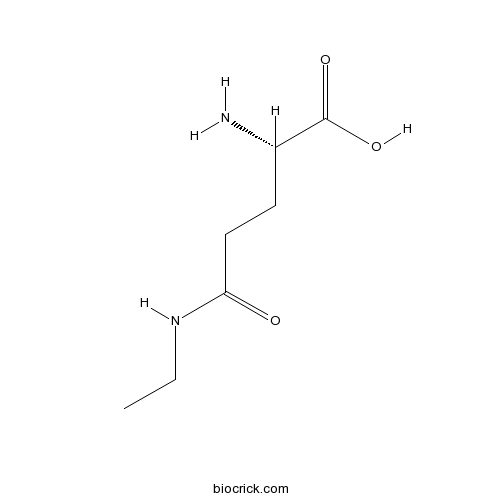
L-Theanine
L-Theanine (L-Glutamic Acid γ-ethyl amide)is a non-protein amino acid contained in green tea leaves, which blocks the binding of L-glutamic acid to glutamate receptors in the brain, and with neuroprotective and anti-oxidative activities. L-Theanine causes anti-stress effects via the inhibition of cortical neuron excitation by oral intake.
-
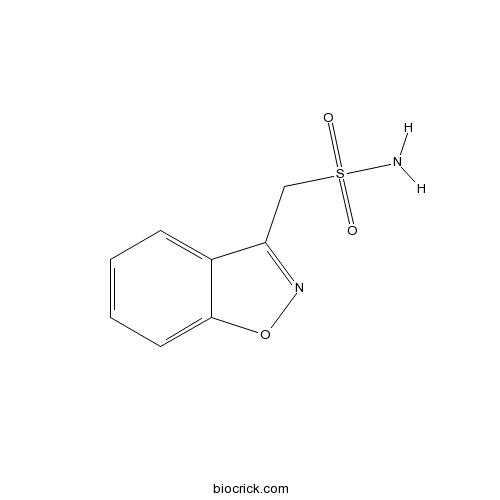
BCC2512
Zonisamide
Zonisamide is a 1,2 benzisoxazole derivative and the first agent of this chemical class to be developed as an antiepileptic drug.
-
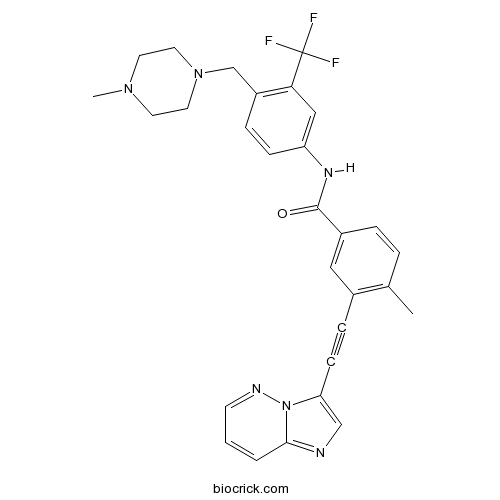
BCC2522
Ponatinib (AP24534)
Ponatinib (AP24534) is an orally active multi-targeted kinase inhibitor with IC50s of 0.37 nM, 1.1 nM, 1.5 nM, 2.2 nM, and 5.4 nM for Abl, PDGFRα, VEGFR2, FGFR1, and Src, respectively.
-
BCC7765
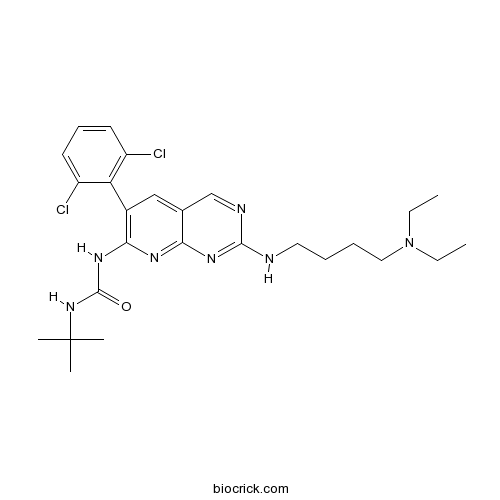
PD 161570
PD-161570 is a potent and ATP-competitive human FGF-1 receptor inhibitor with an IC50 of 39.9 nM and a Ki of 42 nM. PD-161570 also inhibits the PDGFR, EGFR and c-Src tyrosine kinases with IC50 values of 310 nM, 240 nM, and 44 nM, respectively. PD-161570 inhibits PDGF-stimulated autophosphorylation and FGF-1 receptor phosphorylation with IC50s of 450 nM and 622 nM, respectively.