NMDA Receptor
NMDA receptors are members of the ionotropic class of glutamate receptors, which also includes Kainate and AMPA receptors. NMDA receptors consist of NR1 subunits combined with NR2 (A-D) or NR3 (A-B) subunits. The ligand-gated channel is permeable to cations.
Products for NMDA Receptor - Page 9
- Cat.No. Product Name Information/Activity
-
BCC2946
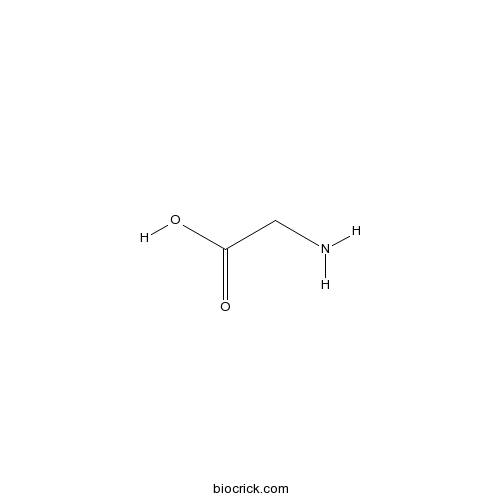
H-Gly-OH
Glycine is an inhibitory neurotransmitter in the CNS and also acts as a co-agonist along with glutamate, facilitating an excitatory potential at the glutaminergic N-methyl-D-aspartic acid (NMDA) receptors.
-
BCC7135
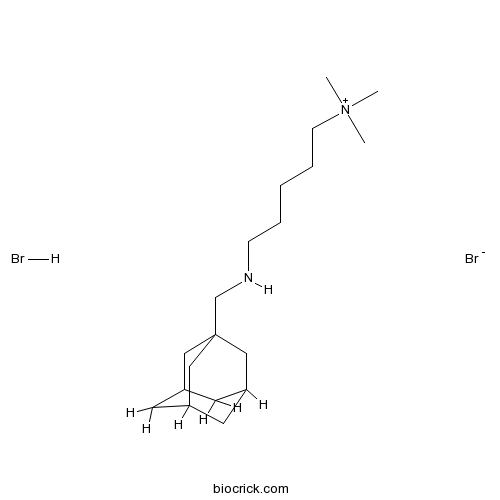
IEM 1460
121034-89-7
-
BCC5888
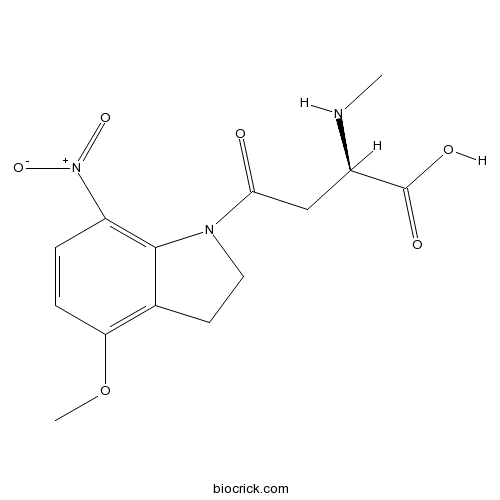
MNI-caged-NMDA
1227675-52-6
-
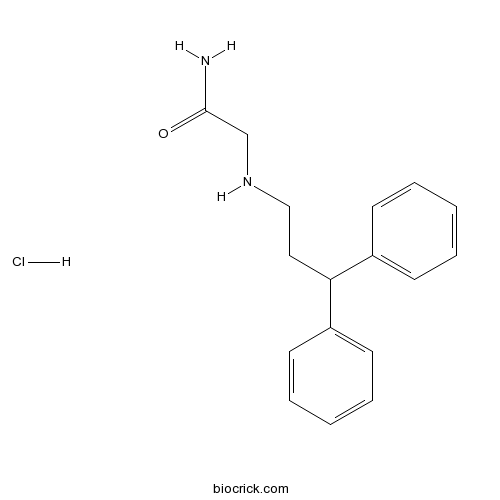
BCC7292
N20C hydrochloride
1177583-87-7
-
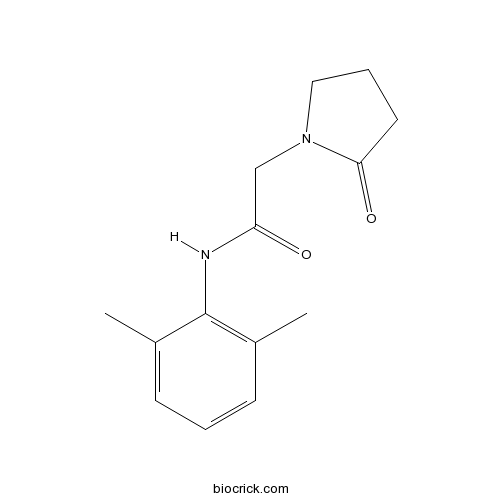
BCC4504
Nefiracetam
Nefiracetam is a GABAergic, cholinergic, and monoaminergic neuronal systems enhancer for Ro 5-4864-induced convulsions.
-
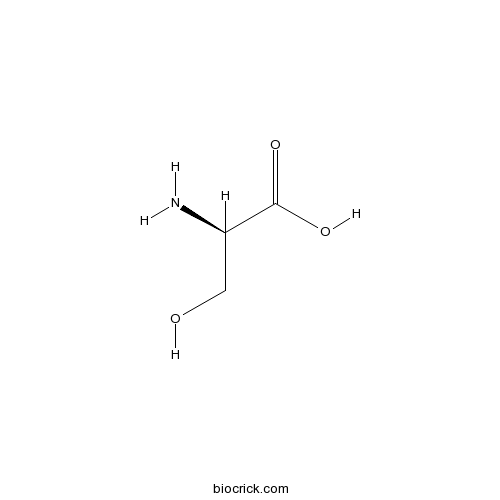
BCC2676
H-D-Ser-OH
(R)-Serine, an endogenous amino acid involved in glia-synapse interactions that has unique neurotransmitter characteristics, is a potent co-agonist at the NMDA glutamate receptor. (R)-Serine has a cardinal modulatory role in major NMDAR-dependent processes including NMDAR-mediated neurotransmission, neurotoxicity, synaptic plasticity, and cell migration.
-
BCC6864
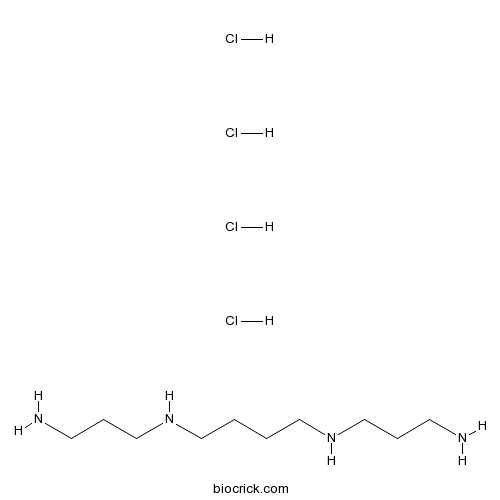
Spermine tetrahydrochloride
Spermine tetrahydrochloride is an endogenous metabolite.