Multiple Sclerosis
Multiple sclerosis (MS) is a chronic autoimmune, inflammatory disease of the central nervous system (CNS), which causes damage to myelin and axons, resulting in neurological symptoms such as partial loss of sight, paresthesias and ataxia.
Multiple Sclerosis Products Targets
- STAT (10)
- Voltage-gated Potassium (KV) Channel (38)
- Integrin Receptor (15)
- Others (29)
- Complement (2)
- Vitamin D Receptor (10)
- PORCN (4)
- beta-catenin (13)
- Casein Kinase 1 (7)
- AMPA Receptor (45)
- GPR55 (8)
- CB2 Receptor (6)
- CB1 Receptor (17)
- NMDA Receptor (87)
- Kainate Receptor (22)
- Chemokine CXC Receptor (9)
- Chemokine CC Receptor (13)
- TRPM (8)
- Tankyrase (5)
- ROS and Other Gaseous Donor (8)
- Nrf2 (5)
- ITK (2)
- ASK1 (2)
- Acid-Sensing Ion Channel (3)
- Calcium-Activated Potassium (KCa) Channel (19)
- Inward Rectifier Potassium (Kir) Channel (21)
- NCX (5)
- Retinoid X Receptor (13)
- Cytokine (15)
Products for Multiple Sclerosis - Page 32
- Cat.No. Product Name Information/Activity
-
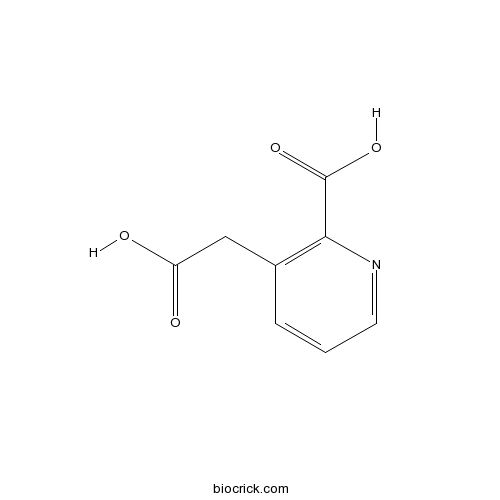
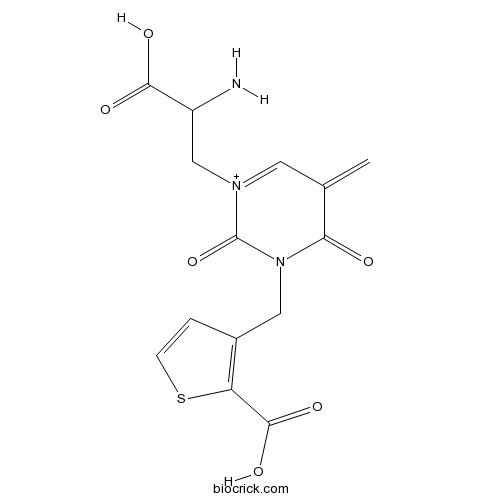
BCC6052
UBP 310
902464-46-4
-
BCN6291
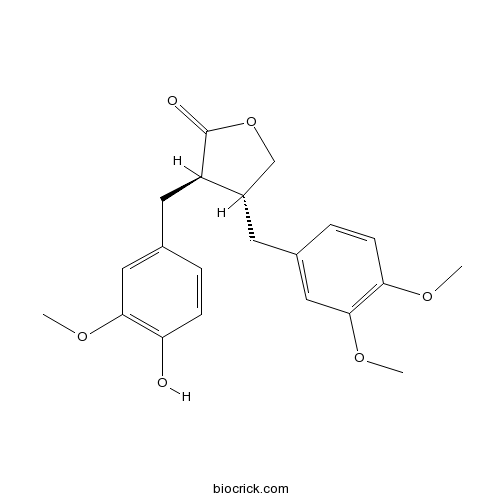
Arctigenin
Arctigenin is a lignan found in certain plants of the Asteraceae; it has shown antiviral and anticancer effects in glass; it is the aglycone of arctiin.
-
BCC5883
PDZ1 Domain inhibitor peptide
1315378-73-4

-
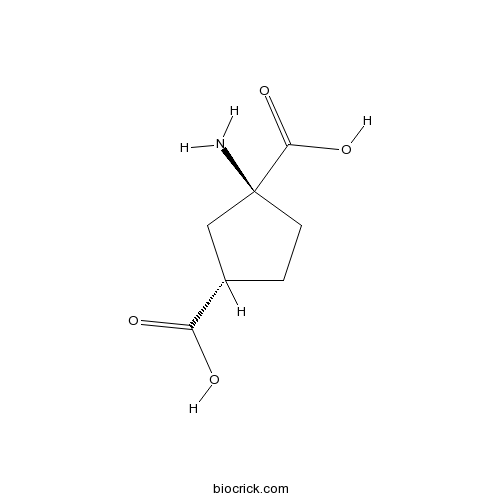
BCC6566
cis-ACPD
477331-06-9
-
BCC2894
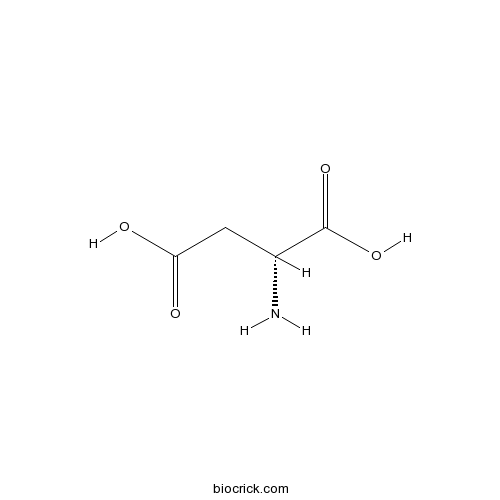
H-D-Asp-OH
(-)-Aspartic acid is an endogenous NMDA receptor agonist.
-
BCC2881
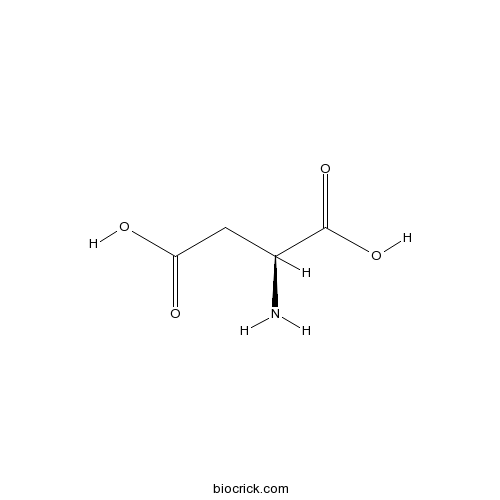
H-Asp-OH
L-Aspartic acid is is an amino acid, shown to be a suitable prodrug for colon-specific drug deliverly.
-
BCC6571
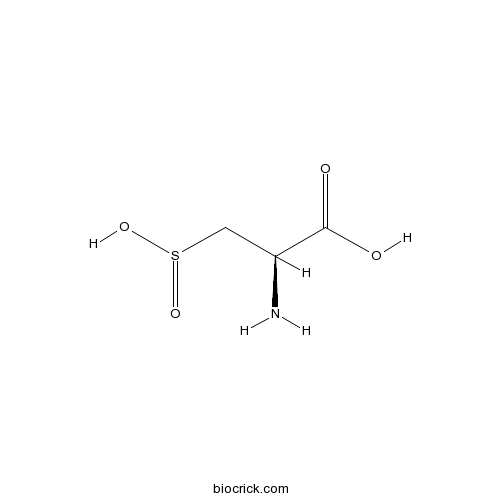
L-Cysteinesulfinic acid
L-Cysteinesulfinic acid is a potent agonist at several rat metabotropic glutamate receptors (mGluRs) with pEC50s of 3.92±0.03, 4.6±0.2, 3.9±0.2, 2.7±0.2, 4.0±0.2, and 3.94±0.08 for mGluR1, mGluR5, mGluR2, mGluR4, mGluR6, and mGluR8, respectively.
-
BCC6013
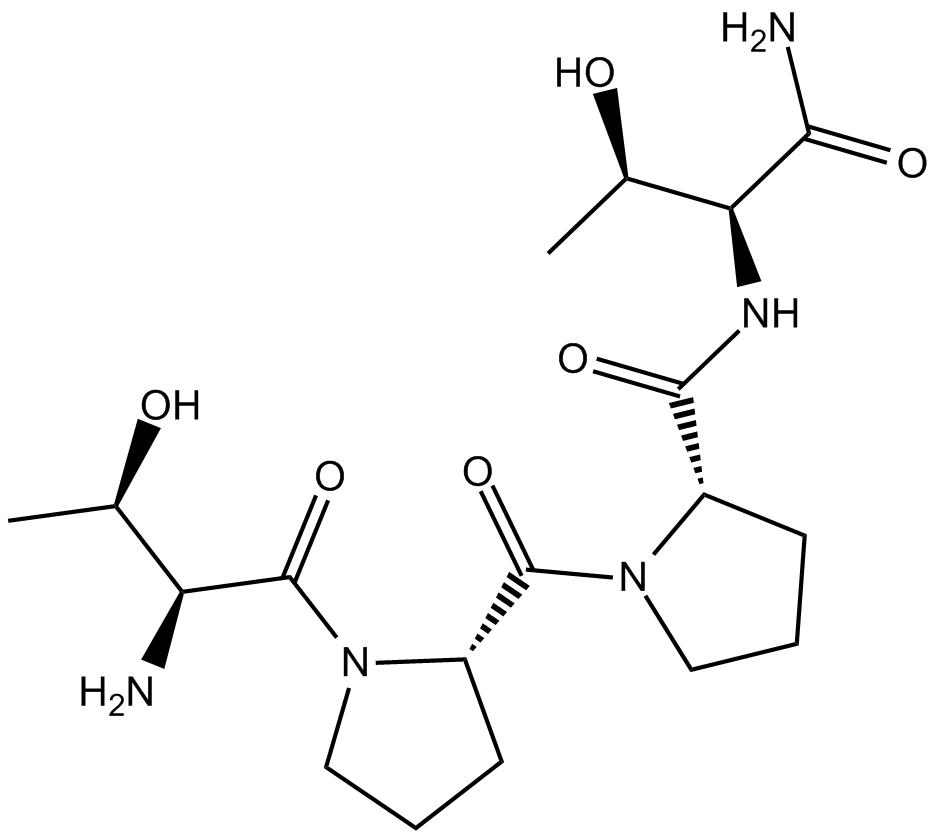
GLYX 13
Rapastinel (GLYX-13) is an N-methyl-D-aspartate receptor (NMDAR) modulator that has characteristics of a glycine site partial agonist.
-
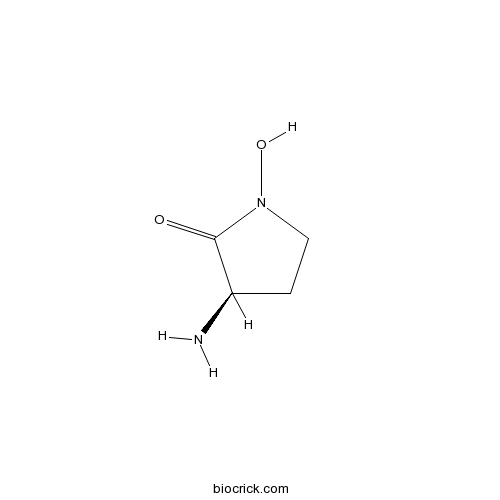
BCC6588
(R)-(+)-HA-966
(R)-(+)-HA-966 ((+)-HA-966) is a partial agonist/antagonist of glycine site of the N-methyl-D-aspartate (NMDA) receptor complex. (R)-(+)-HA-966 selectively blocks the activation of the mesolimbic dopamine system by amphetamine. (R)-(+)-HA-966 can cross the blood-brain barrier and has the potential for neuropathic and acute pain.
-
BCC6570
Homoquinolinic acid
490-75-5