
Natural Products from Anemarrhena asphodeloides
Natural Products Isolated from Anemarrhena asphodeloides
BioCrick provides high-purity natural products and bioactive compounds isolated and purified from natural sources for scientific research.
- Natural product compounds selected from diverse chemical and biological sources.
- Broad structural diversity and coverage of biological activities.
- Product activity information can be supported by published literature, patents and research reports.
- Natural products can be selected according to source, target, activity and disease research interests.
- Compounds should be stored according to the product specifications after receipt.
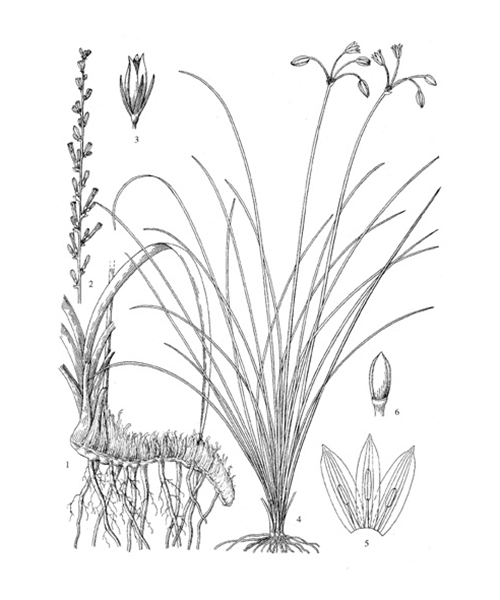
Natural Products from Anemarrhena asphodeloides
12 natural product s associated with Anemarrhena asphodeloides
| Catalog No. | Product Name | CAS Number | COA |
|---|---|---|---|
| BCN6290 |
Anemarsaponin E
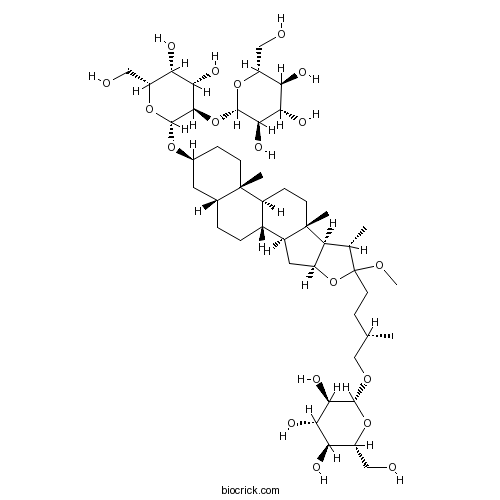
|
136565-73-6 | COA |
| BCC3138 |
H-Val-OH
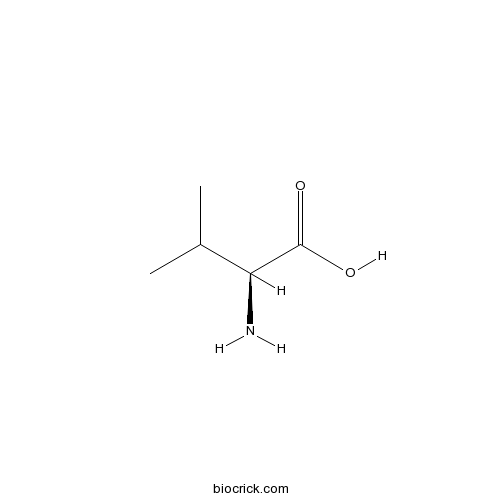
|
72-18-4 | COA |
| BCN2528 |
Isomangiferin
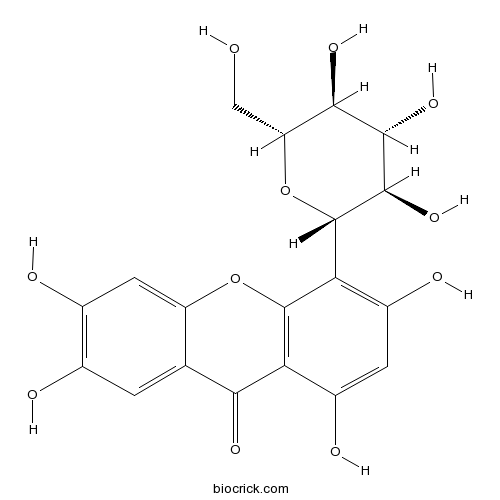
|
24699-16-9 | COA |
| BCN5441 |
Isovitexin
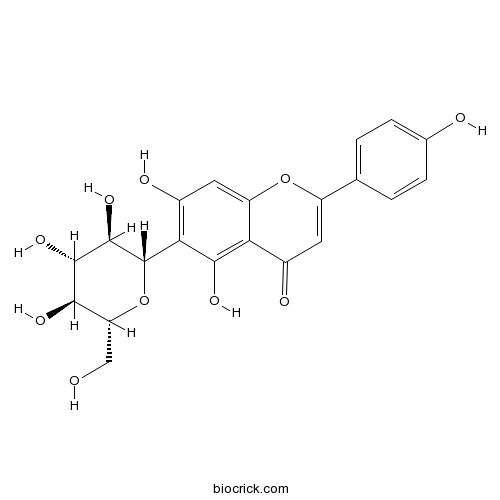
|
38953-85-4 | COA |
| BCN5535 |
Mangiferin

|
4773-96-0 | COA |
| BCN4970 |
Neomangiferin
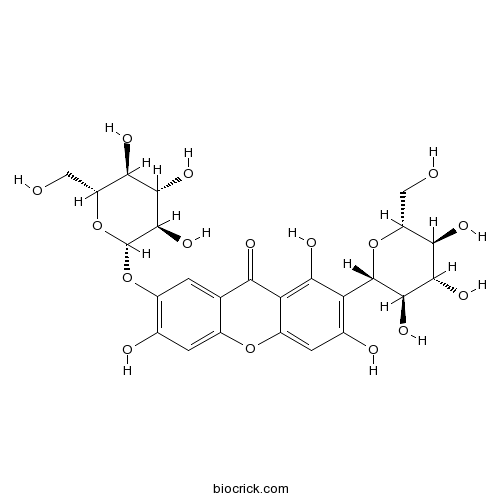
|
64809-67-2 | COA |
| BCN1656 |
Proline
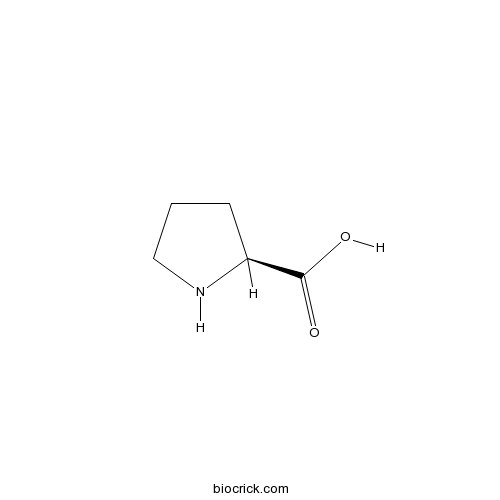
|
147-85-3 | COA |
| BCN1269 |
Sarsasapogenin
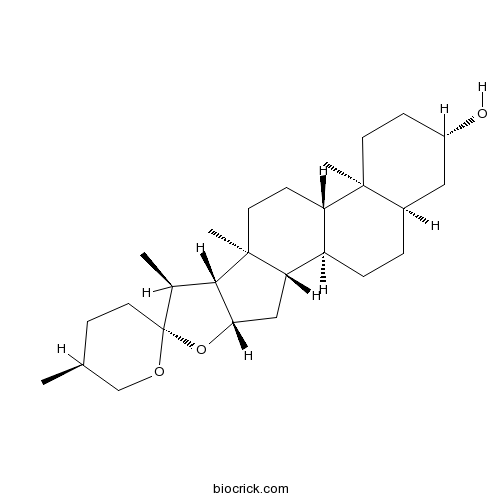
|
126-19-2 | COA |
| BCN4999 |
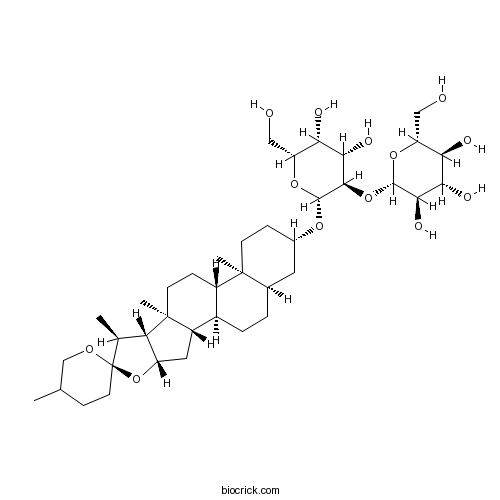
Timosaponin A3
|
41059-79-4 | COA |
| BCN7819 |
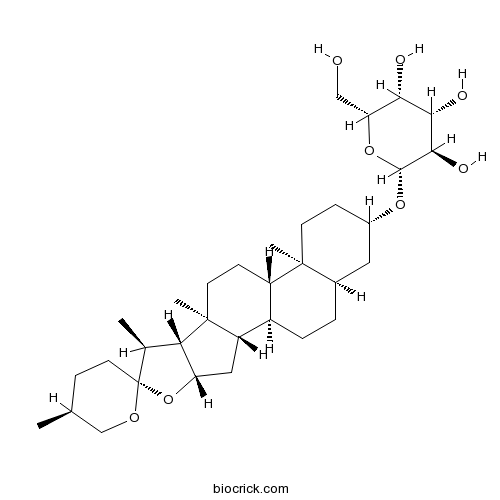
Timosaponin AI
|
68422-00-4 | COA |
| BCN4998 |
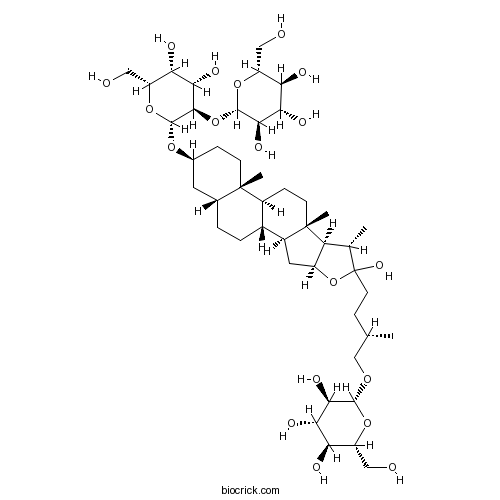
Timosaponin BII
|
136656-07-0 | COA |
| BCN5423 |
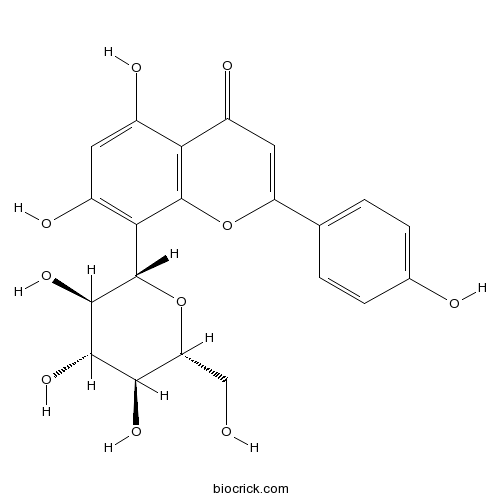
Vitexin
|
3681-93-4 | COA |
References
Gas chromatography-mass spectrometry-based trimethylsilyl-alditol derivatives for quantitation and fingerprint analysis of Anemarrhena asphodeloides Bunge polysaccharides.[Pubmed: 30092985]
Here we report a novel approach using gas chromatography mass spectrometry (GCMS)-based trimethylsilyl-alditol (TMSA) derivatives for simultaneous baseline separation and detection of 8 neutral saccharides and 2 uronic acids within 25 min. Using mild alkaline conditions to dissolve the sample in advance significantly increased both the detection sensitivity and sample stability of uronic acids because of occurrence of de-lactonization, whereas no obvious effects were observed for neutral saccharides. Sodium borohydride reduction of the carbonyl group of aldoses and the subsequent formation of TMSA derivatives simplifies GCMS chromatograms by producing a single peak for each derivatized sugar. The effects of both reaction temperatures and solvent ratios between HMDS and TMCS on formations of TMSA derivatives were also investigated. The established GCMS method was successfully applied for quantitation and fingerprint analysis of polysaccharides from the plant Anemarrhena asphodeloides Bunge. A comparative analysis of A. asphodeloides polysaccharides was further performed between TMSA and other four types of derivatizations. The results showed that GCMS analysis based on precolumn TMSA derivatization coupled with fingerprint analysis is a comprehensive and effective technique for qualitative and quantitative analysis of plant polysaccharides from traditional Chinese medicines.
Protective effects of sarsasapogenin against early stage of diabetic nephropathy in rats.[Pubmed: 29682805]
Rhizome of Anemarrhena asphodeloides Bunge (AA, family Liliaceae) has been widely used in China for thousands of years to treat febrile diseases and diabetes. Steroidal saponins from AA show good antidiabetes effects and ameliorate diabetic complications. This study was designed to investigate the effects of sarsasapogenin (Sar), a major sapogenin from AA, on diabetic nephropathy (DN) in rats, and to explore the possible mechanisms. Diabetic rats were divided into 3 groups treated orally with Sar (0, 20, or 60 mg/kg) and carboxymethylcellulose sodium, whereas normal rats for Sar (0 or 60 mg/kg) and carboxymethylcellulose sodium. We found that chronic treatment with Sar for 9 weeks significantly ameliorated renal dysfunction of diabetic rats, as evidenced by decreases in albuminuria, kidney weight index, serum uric acid, and morphologic changes such as extracellular matrix expansion and accumulation (fibronectin and collagen IV levels, etc.). Meanwhile, Sar treatment resulted in decreases in interleukin-18, NLRP3, and activated caspase 1 levels as well as advanced glycation endproducts (AGEs) and their receptor (RAGE) levels in the renal cortex of diabetic rats. However, Sar has no effects on the above indices in the normal rats. Therefore, Sar can markedly ameliorate diabetic nephropathy in rats via inhibition of NLRP3 inflammasome activation and AGEs-RAGE interaction.
Rhizome of Anemarrhena asphodeloides as mediators of the eco-friendly synthesis of silver and gold spherical, face-centred cubic nanocrystals and its anti-migratory and cytotoxic potential in normal and cancer cell lines.[Pubmed: 29595324]
None
Timosaponin A-III inhibits oncogenic phenotype via regulation of PcG protein BMI1 in breast cancer cells.[Pubmed: 29528145]
Polycomb group (PcG) protein BMI1 is an important regulator of oncogenic phenotype and is often overexpressed in several human malignancies including breast cancer. Aberrant expression of BMI1 is associated with metastasis and poor prognosis in cancer patients. At present, therapy reagents that can efficiently inhibit the expression of BMI1 are not very well known. Here, we report that Timosaponin A-III (TA-III), a steroidal saponin obtained from the rhizomes of an herb, Anemarrhena asphodeloides, strongly inhibits expression of BMI1 in breast cancer cells. Treatment of breast cancer cells with TA-III resulted in inhibition of oncogenic phenotypes such as proliferation, migration and invasion, and induction of cellular senescence. Inhibition of these oncogenic phenotypes was accompanied by downregulation of BMI1 expression and histone posttranslational modification activity of PRC1. The mechanistic analysis of TA-III-induced inhibition of oncogenic activity and BMI1 expression suggests that downregulation of c-Myc mediates TA-III effect on BMI1. We further show that exogenous BMI1 overexpression can overcome TA-III-induced inhibition of oncogenic phenotypes. We also show that TA-III induces expression of tumor suppressive miR-200c and miR-141, which are negatively regulated by BMI1. In summary, our data suggest that TA-III is a potent inhibitor of BMI1 and that it can be successfully used to inhibit the growth of tumors where PcG protein BMI1 and PcG activities are upregulated.