Memory, Learning and Cognition
Cognition is the term used to define the process of thoughts, including memory, awareness, reasoning and perception. Cognitive enhancement describes the improvement of the information processing systems of the mind and the extension of its main capacities, which can be undertaken simply by learning, especially during early development.
Memory, Learning and Cognition Products Targets
- Voltage-gated Calcium Channel (CaV) (38)
- Others (13)
- D4 Receptor (12)
- 5-HT7 Receptor (11)
- 5-HT6 Receptor (14)
- 5-ht5 Receptor (2)
- 5-HT4 Receptor (17)
- NOP Receptor (21)
- Mu-Opioid Receptors (15)
- Kappa Opioid Receptors (14)
- Glutamate (Metabotropic) Group III Receptor (26)
- Glutamate (Metabotropic) Group II Receptor (33)
- Glutamate (Metabotropic) Group I Receptor (54)
- AMPA Receptor (45)
- GABAA-ρ Receptor (8)
- GABAA Receptor (66)
- GPR55 (8)
- CB2 Receptor (6)
- CB1 Receptor (17)
- Nicotinic (α7) Receptor (25)
- Nicotinic (α4β2) Receptor (14)
- Protein Kinase C (29)
- Calmodulin-Dependent Kinase (8)
- D3 Receptor (12)
- NMDA Receptor (87)
- Kainate Receptor (22)
- D2 Receptor (14)
- D1 and D5 Receptor (16)
- Amyloid beta Peptide (28)
- Histamine H1 Receptor (17)
- M5 Receptor (2)
- M4 Receptor (3)
- M3 Receptor (4)
- M2 Receptor (5)
- M1 Receptor (8)
- Delta opioid receptor (16)
- Protein serine and threonine phosphatase (16)
- Histone Deacetylase (19)
- Phosphodiesterase (34)
Products for Memory, Learning and Cognition - Page 59
- Cat.No. Product Name Information/Activity
-
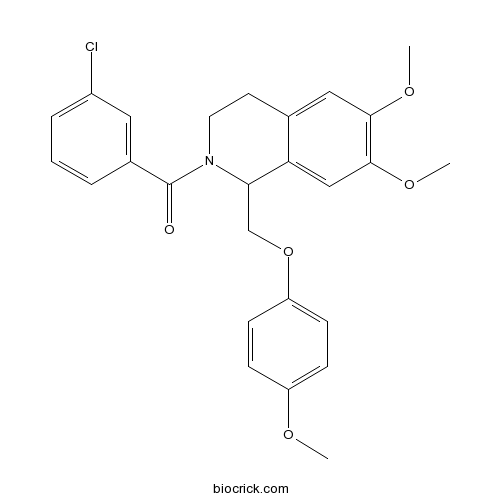
BCC7862
CIQ
CIQ is a subunit-selective potentiator of NMDA receptors containing the NR2C or NR2D subunit.
-
BCC2946
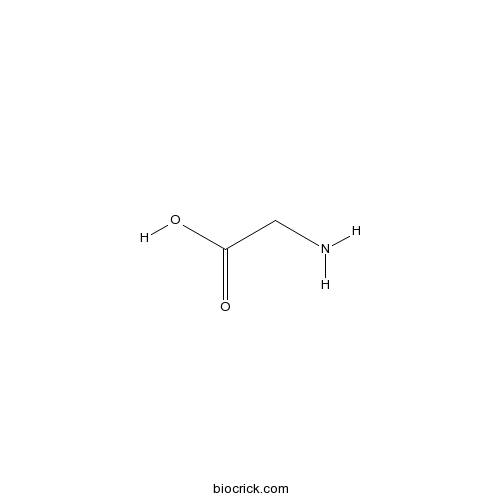
H-Gly-OH
Glycine is an inhibitory neurotransmitter in the CNS and also acts as a co-agonist along with glutamate, facilitating an excitatory potential at the glutaminergic N-methyl-D-aspartic acid (NMDA) receptors.
-
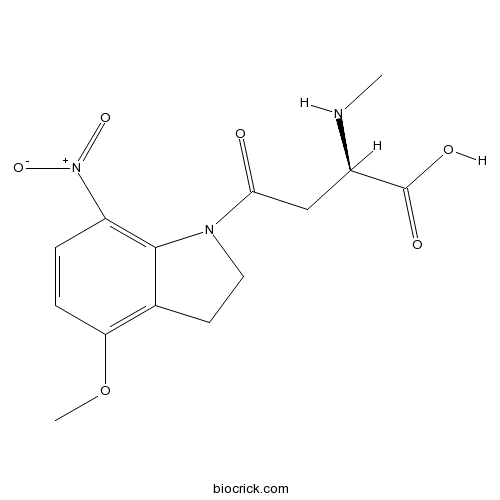
BCC5888
MNI-caged-NMDA
1227675-52-6
-
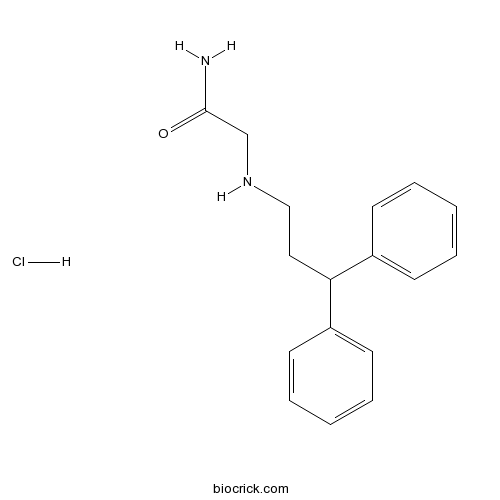
BCC7292
N20C hydrochloride
1177583-87-7
-
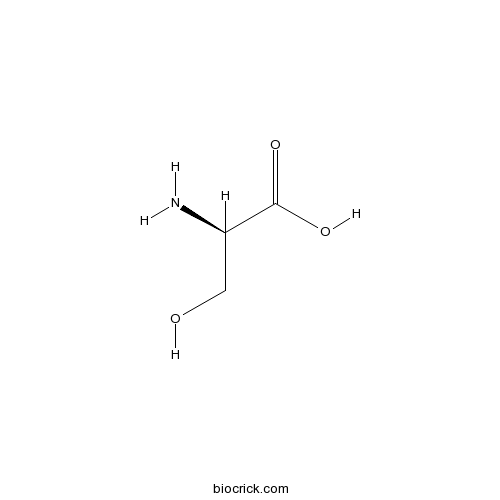
BCC2676
H-D-Ser-OH
(R)-Serine, an endogenous amino acid involved in glia-synapse interactions that has unique neurotransmitter characteristics, is a potent co-agonist at the NMDA glutamate receptor. (R)-Serine has a cardinal modulatory role in major NMDAR-dependent processes including NMDAR-mediated neurotransmission, neurotoxicity, synaptic plasticity, and cell migration.
-
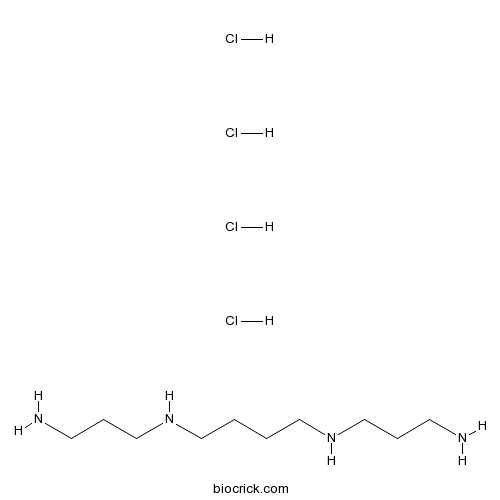
BCC6864
Spermine tetrahydrochloride
Spermine tetrahydrochloride is an endogenous metabolite.
-
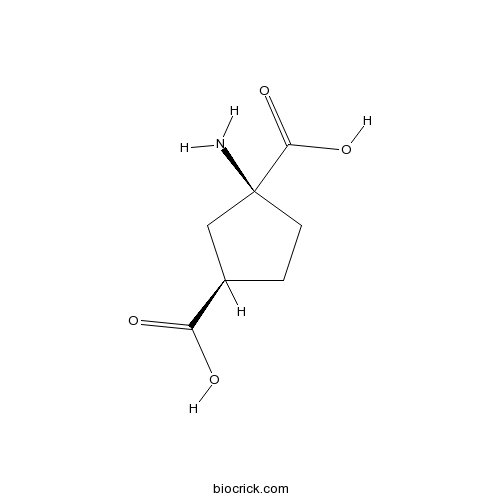
BCC6590
(1S,3R)-ACPD
111900-32-4
-
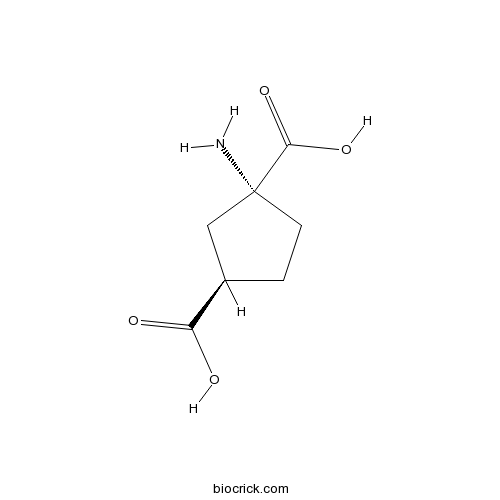
BCC6567
(±)-trans-ACPD
trans-ACPD, a metabotropic receptor agonist, produces calcium mobilization and an inward current in cultured cerebellar Purkinje neurons.
-
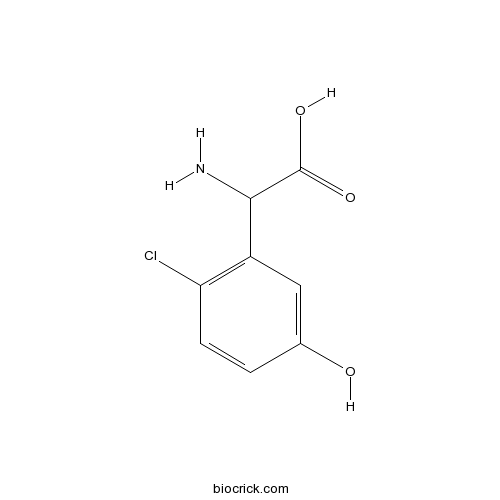
BCC6910
CHPG
CHPG is a selective mGluR5 agonist, and attenuates SO2-induced oxidative stress and inflammation through TSG-6/NF-κB pathway in BV2 microglial cells. CHPG protects against traumatic brain injury (TBI) in vitro and in vivo by activation of the ERK and Akt signaling pathways.
-
BCC7755
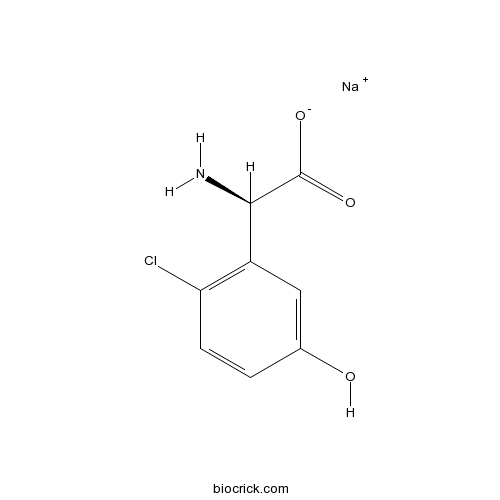
CHPG Sodium salt
CHPG sodium salt is a selective mGluR5 agonist, and attenuates SO2-induced oxidative stress and inflammation through TSG-6/NF-κB pathway in BV2 microglial cells. CHPG sodium salt protects against traumatic brain injury (TBI) in vitro and in vivo by activation of the ERK and Akt signaling pathways..