Neuroscience Research
Neuroscience is the study of the nervous system - one of the major mammalian systems responsible for sustaining life. The central nervous system (CNS) and peripheral nervous system (PNS) work in concert to coordinate basic functions such as moving and breathing, as well as 'higher order' functions including thought, speech and emotion.
Neuroscience Research Products Areas
- Stress and Anxiety Research (392)
- Nociception (957)
- Neurotransmission (892)
- Neuropeptides (43)
- Neural Development (795)
- Memory, Learning and Cognition (746)
- Blood-Brain Barrier (119)
- Stroke Research (665)
- Sleep Research (267)
- Schizophrenia Research (709)
- Parkinson's Disease Research (752)
- Huntington's Disease Research (465)
- Epilepsy Research (560)
- Depression Research (631)
- Alzheimer's Disease Research (399)
- Addiction Research (509)
- Multiple Sclerosis (419)
Products for Neuroscience Research - Page 172
- Cat.No. Product Name Information/Activity
-
BCC5994
[Lys5,MeLeu9,Nle10]-NKA(4-10)
137565-28-7
![[Lys5,MeLeu9,Nle10]-NKA(4-10) chemical structure](/media/images/struct/BCC5994.png)
-
BCC7001
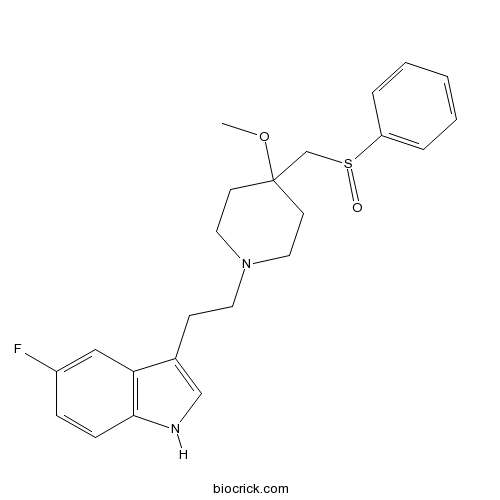
GR 159897
GR 159897 is a highly potent, selective, competitive, brain-penetrated non-peptide neurokinin 2 (NK2) receptor antagonist. GR 159897 has little or no affinity for NK1 and NK3 receptors. GR 159897 inhibits binding of [3H]GR100679 to human NK2 (hNK2)-CHO cells and rat colon membranes with pKis of 9.51 and 10, respectively. Antagonizes bronchoconstriction. Anxiolytic-like and anti-tumor effects.
-
BCC5799
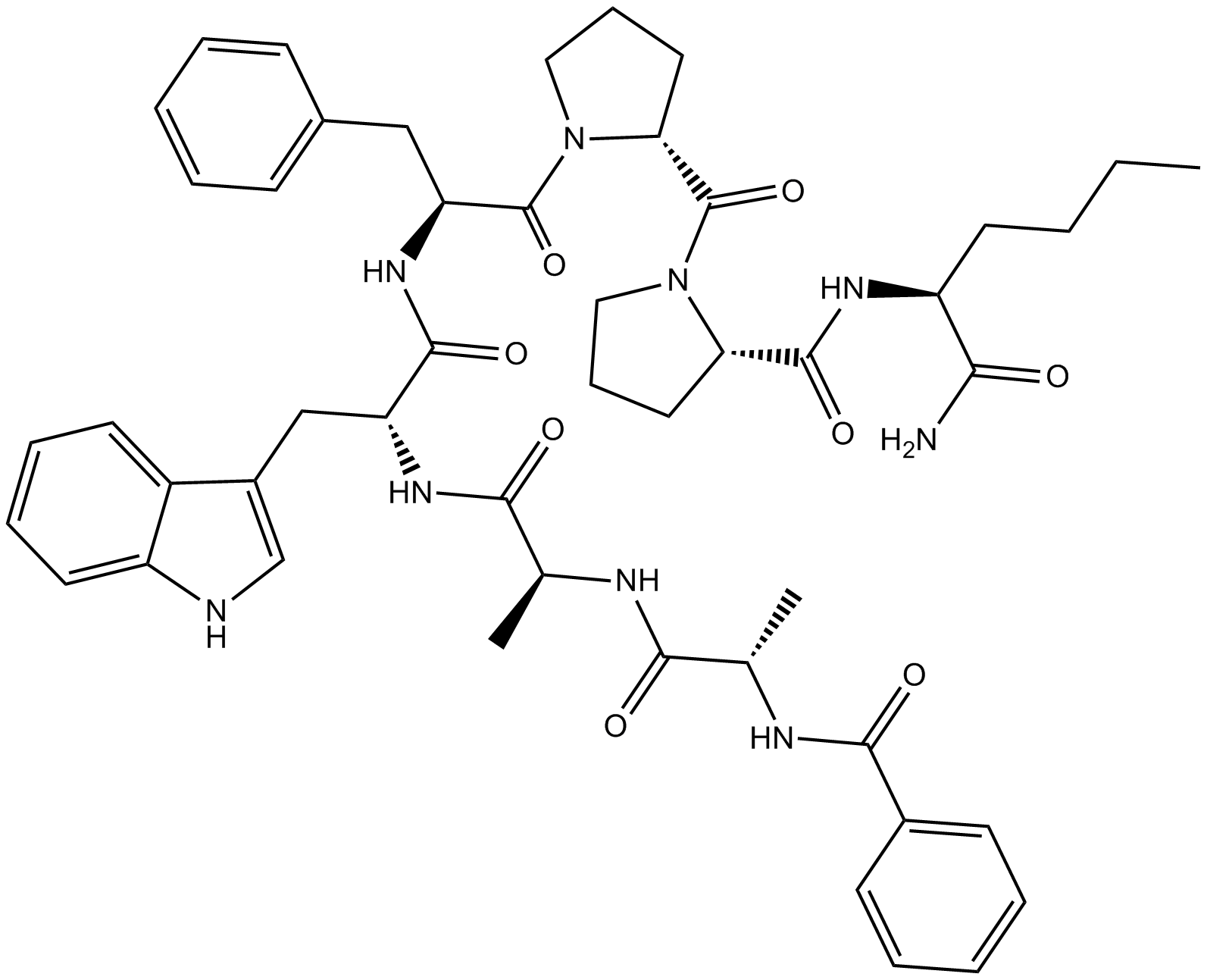
GR 94800
141636-65-9
-
BCC5729
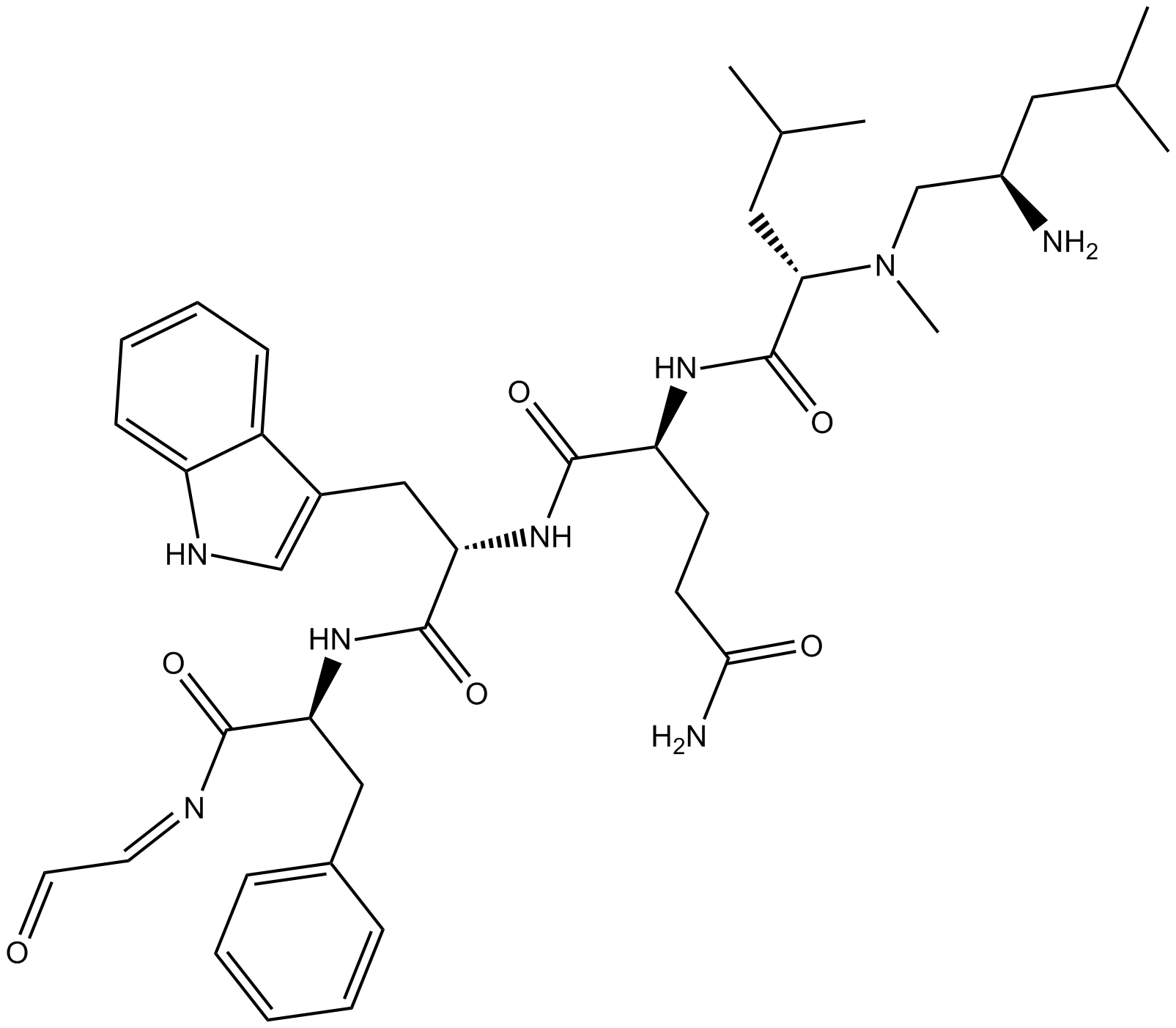
MDL 29,913
135721-56-1
-
BCC7133
MEN 10376
Men 10376 is a selective tachykinin NK-2 receptor antagonist, with a Ki of 4.4 μM for rat small intestine NK-2 receptor.
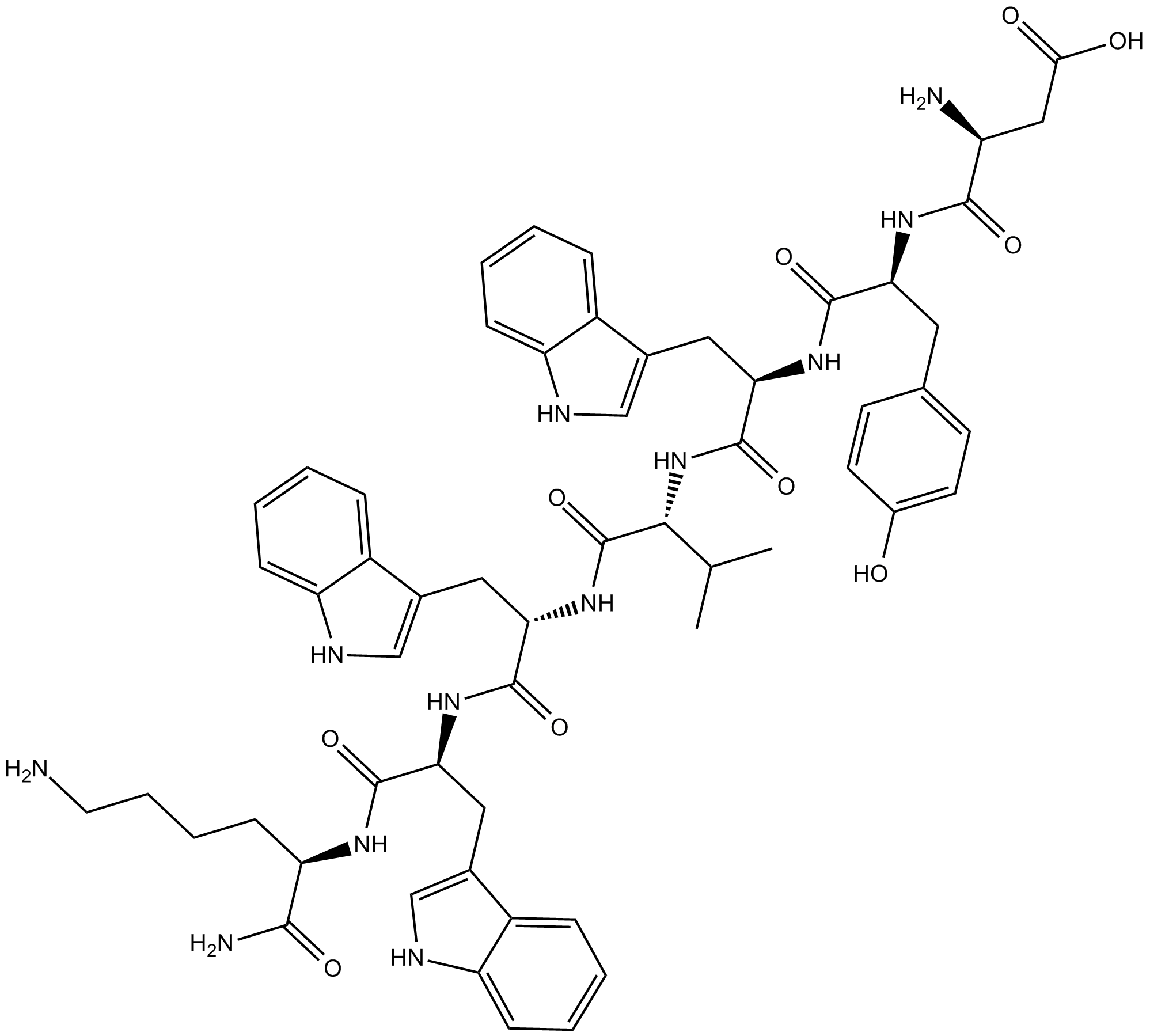
-
BCC7808
NAADP tetrasodium salt
5502-96-5
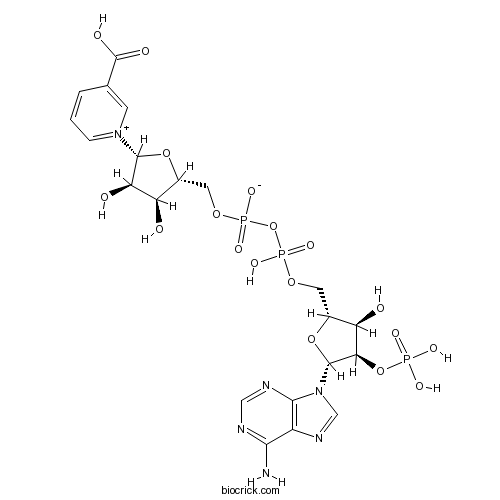
-
BCC6673
Dantrolene, sodium salt
14663-23-1
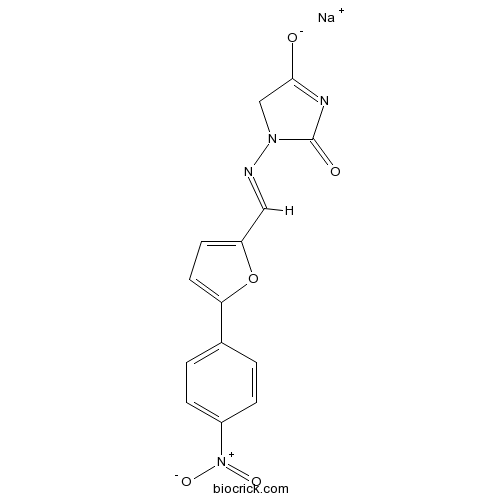
-
BCC5742
Ryanodine
Ryanodine is a cell permeant ryanodine receptor modulator. Ryanodine can either stimulate or inhibit Ryanodine-mediated Ca2+ release depending on its concentrations. Poisonous diterpenoid found in Ryania speciosa.
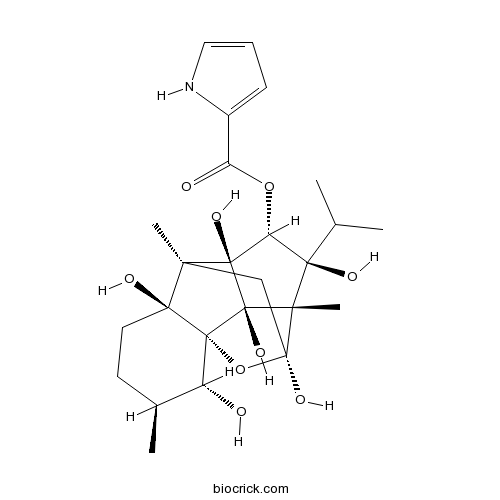
-
BCC6644
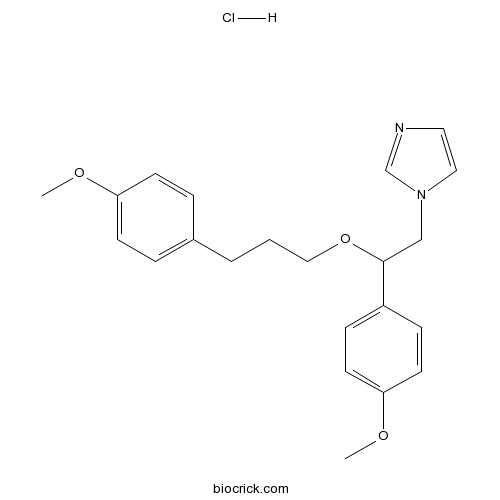
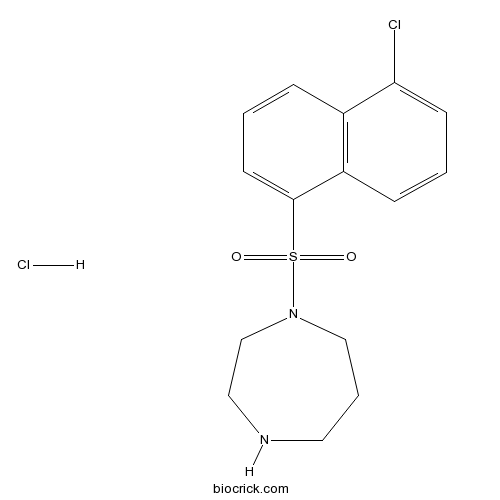
ML 9 hydrochloride
ML-9 is a selective and potent inhibitor of Akt kinase, inhibits myosin light-chain kinase (MLCK) and stromal interaction molecule 1 (STIM1) activity. ML-9 inhibits inhibits MLCK, PKA and PKC activity with Ki values of 4, 32 and 54 μM, respectively. ML-9 induces autophagy by stimulating autophagosome formation and inhibiting their degradation.
-
BCC6953
SKF 96365 hydrochloride
SKF-96365 hydrochloride is a non-selective TRP Channel blocker.